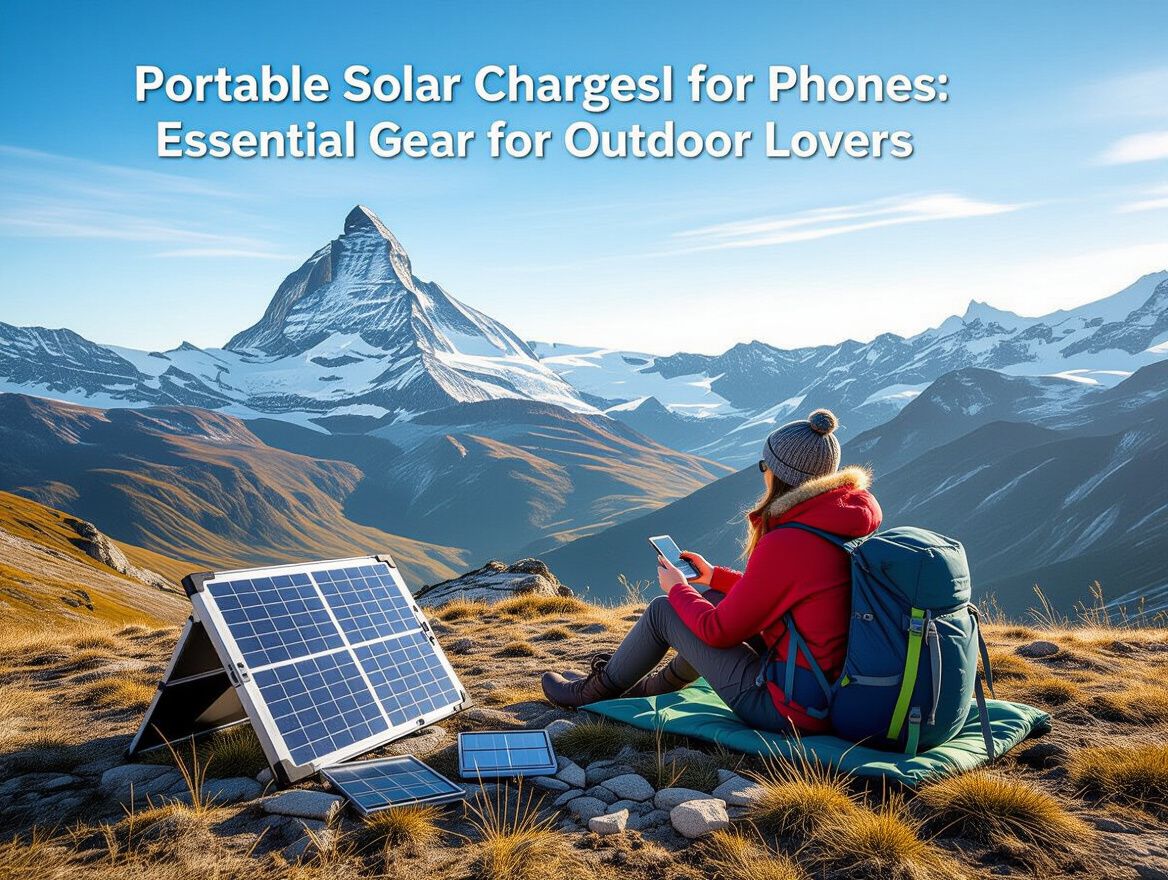
Solar Power Portable Chargers: A Sustainable Solution for Outdoor Enthusiasts
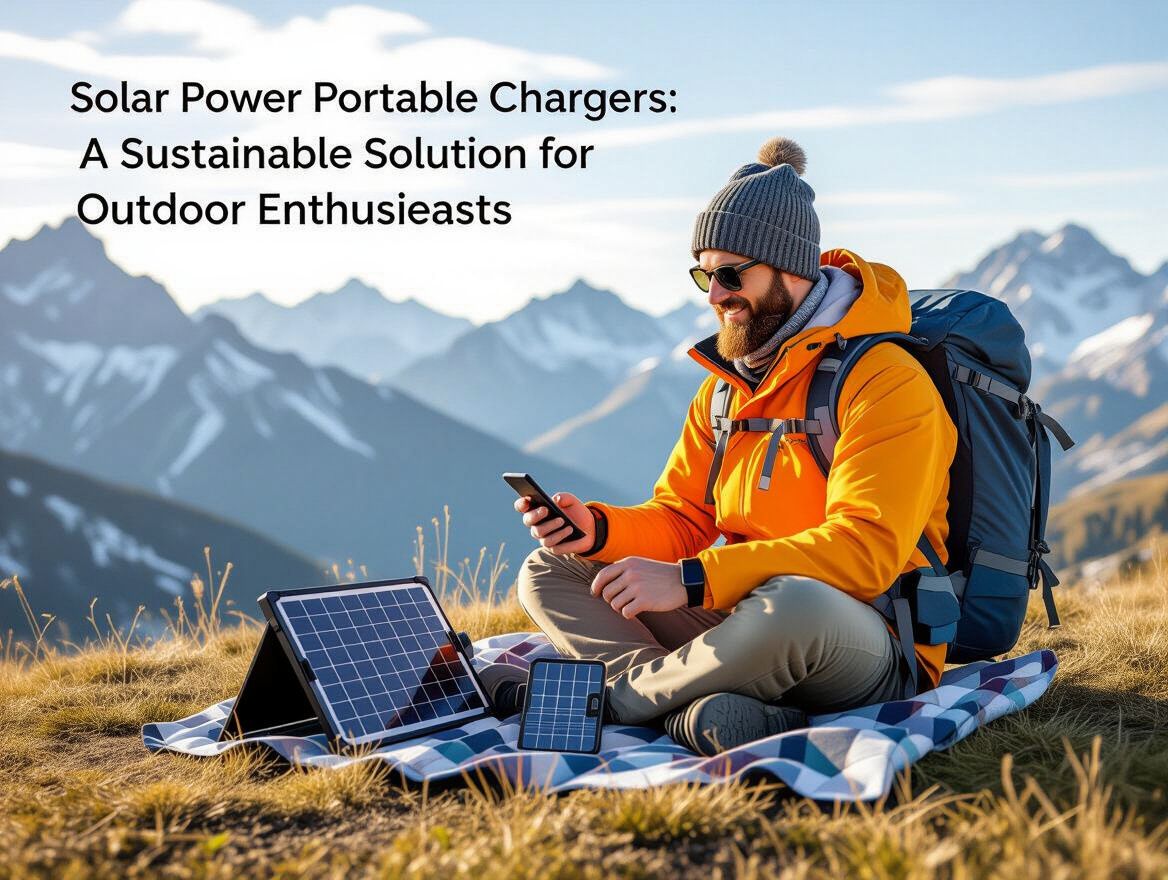
Understanding Solar Power Portable Chargers
Solar power portable chargers are devices designed to harness sunlight and convert it into electricity, allowing users to charge their electronic devices while on the go. This technology is particularly beneficial for outdoor enthusiasts who often find themselves away from traditional power sources, such as during camping, hiking, or road trips. By utilizing solar energy, these chargers provide a sustainable and eco-friendly solution to keep devices powered without relying on fossil fuels.
Importance for Outdoor Activities
Outdoor activities frequently involve extended periods without access to electricity. Solar power portable chargers offer a reliable way to ensure that essential devices—such as smartphones, GPS units, and cameras—remain charged. This is crucial not only for convenience but also for safety, as these devices can be vital for navigation, emergency communication, and capturing memories.
Environmental Benefits
Choosing solar power portable chargers aligns with eco-conscious values by reducing reliance on non-renewable energy sources. By using the sun’s energy, users can minimize their carbon footprint and contribute to environmental sustainability. Additionally, many solar chargers are designed with durable materials that can withstand outdoor conditions, leading to less electronic waste over time.
In summary, solar power portable chargers provide outdoor enthusiasts with a practical, sustainable, and efficient way to keep their devices charged, promoting both convenience and environmental responsibility.
Key Features to Consider When Choosing Solar Power Portable Chargers
When selecting solar power portable chargers, it's essential to evaluate specific features that can significantly impact their performance and usability during outdoor activities. Here’s a checklist of critical criteria to consider:
-
Solar Panel Efficiency: Look for chargers with high-efficiency solar panels, typically measured in conversion rates. Higher efficiency means faster charging times, especially in low-light conditions.
-
Battery Capacity: Assess the battery capacity in watt-hours (Wh) or milliamp-hours (mAh). A larger capacity allows for multiple device charges, which is crucial for extended trips without access to traditional power sources.
-
Portability and Weight: Consider the size and weight of the charger, as you’ll be carrying it during outdoor activities. Lightweight and compact designs are preferable for hiking and camping.
-
Durability and Weather Resistance: Ensure the charger is built to withstand outdoor conditions. Look for features like rugged casing and water-resistant ratings (e.g., IPX4 or higher) to protect against the elements.
-
Compatibility with Devices: Check if the charger is compatible with your devices, such as smartphones, tablets, or laptops. Some chargers come with multiple output ports, which can be beneficial for charging multiple devices simultaneously.
By carefully evaluating these features, you can make a more informed decision that aligns with your outdoor charging needs while maximizing the benefits of solar power technology.
The Trade-offs of Solar Power Portable Chargers
When considering solar power portable chargers, outdoor enthusiasts should weigh their advantages against inherent limitations. These devices offer a unique sustainable charging solution, but they also come with trade-offs that can affect their usability in various outdoor scenarios.
Advantages Over Traditional Chargers
- Eco-Friendly: Solar chargers harness renewable energy, making them an environmentally friendly choice for charging devices while on the go.
- Independence from Electrical Outlets: Ideal for remote locations, these chargers allow you to power your devices without needing access to traditional power sources.
- Durability: Many solar chargers are designed to withstand the rigors of outdoor use, often being water-resistant or rugged, which is beneficial for camping or hiking.
Limitations in Charging Speed and Efficiency
- Slower Charging Times: Solar chargers typically take longer to charge devices compared to traditional wall chargers, especially in low sunlight conditions.
- Variable Performance: The efficiency of solar charging can fluctuate based on weather conditions and the angle of sunlight, making it less reliable during cloudy or rainy days.
- Limited Power Output: Some models may not provide enough power for larger devices like laptops, which can limit their versatility.
Best Use Cases Versus Less Ideal Scenarios
-
Best Use Cases:
- Day Hikes: Perfect for short excursions where you can recharge devices during the day while enjoying the sun.
- Camping Trips: Great for extended outdoor stays where access to electricity is non-existent.
- Emergency Preparedness: Useful for keeping devices charged during power outages or emergency situations.
-
Less Ideal Scenarios:
- Extended Overcast Days: If you're in an area with frequent cloud cover, solar chargers may struggle to generate sufficient power.
- High-Power Devices: Using solar chargers for devices that require high wattage, like laptops or tablets, may not be practical unless you have a high-capacity model.
By understanding these trade-offs, outdoor enthusiasts can make more informed decisions about whether a solar power portable charger aligns with their specific needs and activities.
Potential Risks and Caveats of Using Solar Power Portable Chargers
While solar power portable chargers offer a sustainable and convenient solution for outdoor enthusiasts, it's crucial to consider the potential risks and limitations before making a purchase. Understanding these factors can help you make a more informed decision.
-
Weather Dependency for Charging: Solar chargers rely heavily on sunlight for power. Overcast days, rain, or even shade from trees can significantly reduce charging efficiency. This means that during extended outdoor trips, you may not always have reliable access to power, potentially leaving your devices uncharged when you need them most.
-
Initial Investment Costs: Compared to traditional battery chargers, solar power portable chargers can come with a higher upfront cost. While they may save you money in the long run through renewable energy, the initial investment can be a barrier for some consumers. It's essential to weigh the long-term benefits against the immediate financial outlay.
-
Variability in Product Quality and Performance: Not all solar chargers are created equal. There can be significant variations in quality, durability, and performance among different brands and models. Researching user reviews and performance metrics can be time-consuming but is necessary to ensure you select a reliable product. Poor-quality chargers may fail to deliver adequate power or have a shorter lifespan, leading to disappointment during your outdoor activities.
By keeping these risks and considerations in mind, you can better assess whether a solar power portable charger aligns with your outdoor needs and lifestyle.
Frequently Asked Questions About Solar Power Portable Chargers
Understanding solar power portable chargers can help outdoor enthusiasts make informed decisions. Here are some common questions that clarify their functionality and value.
What devices can be charged with solar power portable chargers?
Solar power portable chargers are versatile and can charge a variety of devices, including:
- Smartphones
- Tablets
- GPS devices
- Cameras
- Portable speakers
- Laptops (with sufficient wattage)
Ensure the charger you choose is compatible with your specific device's charging requirements.
How long does it take to charge a device?
Charging times for solar power portable chargers can vary based on several factors:
- Sunlight exposure: Direct sunlight can significantly reduce charging time.
- Charger capacity: Higher capacity chargers may charge devices faster.
- Device battery size: Larger batteries (like those in tablets or laptops) will take longer to charge compared to smartphones.
On average, charging can take anywhere from a few hours to a full day, depending on these factors.
Are solar power portable chargers worth the investment?
Investing in a solar power portable charger can be worthwhile, especially for outdoor enthusiasts who spend extended periods away from traditional power sources. Consider the following benefits:
- Sustainability: Reduces reliance on fossil fuels.
- Convenience: Provides a reliable power source during outdoor activities.
- Cost savings: May reduce the need for traditional power banks in the long run.
However, evaluate your usage frequency and charging needs to determine if the investment aligns with your lifestyle.
What should I do if my charger isn't working as expected?
If your solar power portable charger isn't functioning properly, consider these troubleshooting steps:
- Check sunlight exposure: Ensure the solar panels are in direct sunlight and not obstructed.
- Inspect connections: Verify that all cables and connections are secure and undamaged.
- Battery health: If the charger has an internal battery, check its condition; batteries can degrade over time.
- Manufacturer guidelines: Consult the user manual for specific troubleshooting tips or warranty information.
By addressing these common concerns, you can better navigate the world of solar power portable chargers and choose the right solution for your outdoor adventures.
Making the Right Choice for Your Outdoor Adventures
In conclusion, solar power portable chargers present a valuable solution for outdoor enthusiasts seeking reliable and sustainable charging options. These devices harness solar energy, allowing users to keep their essential electronics charged during outdoor activities. However, before making a purchase, it's crucial to evaluate several factors to ensure that the charger meets your specific needs.
Key Benefits Recap:
- Sustainability: Using solar energy reduces reliance on fossil fuels, making it an eco-friendly choice.
- Convenience: They provide a reliable power source for devices essential for navigation, communication, and safety in remote areas.
- Durability: Many solar chargers are designed to withstand outdoor conditions, minimizing the risk of damage.
Considerations:
- Charging Speed: Solar chargers may take longer to charge devices compared to traditional power sources, especially in low-light conditions.
- Portability: Consider the weight and size of the charger, as these factors can impact your overall gear load during outdoor activities.
- Capacity: Evaluate the wattage and battery capacity to ensure it can adequately power your devices, particularly if you plan to charge multiple devices simultaneously.
Before purchasing a solar power portable charger, reflect on your typical outdoor scenarios, the devices you need to charge, and your environmental priorities. By weighing these considerations, you can make an informed decision that aligns with your outdoor lifestyle and sustainability goals.

More in Portable Solar Chargers
View All
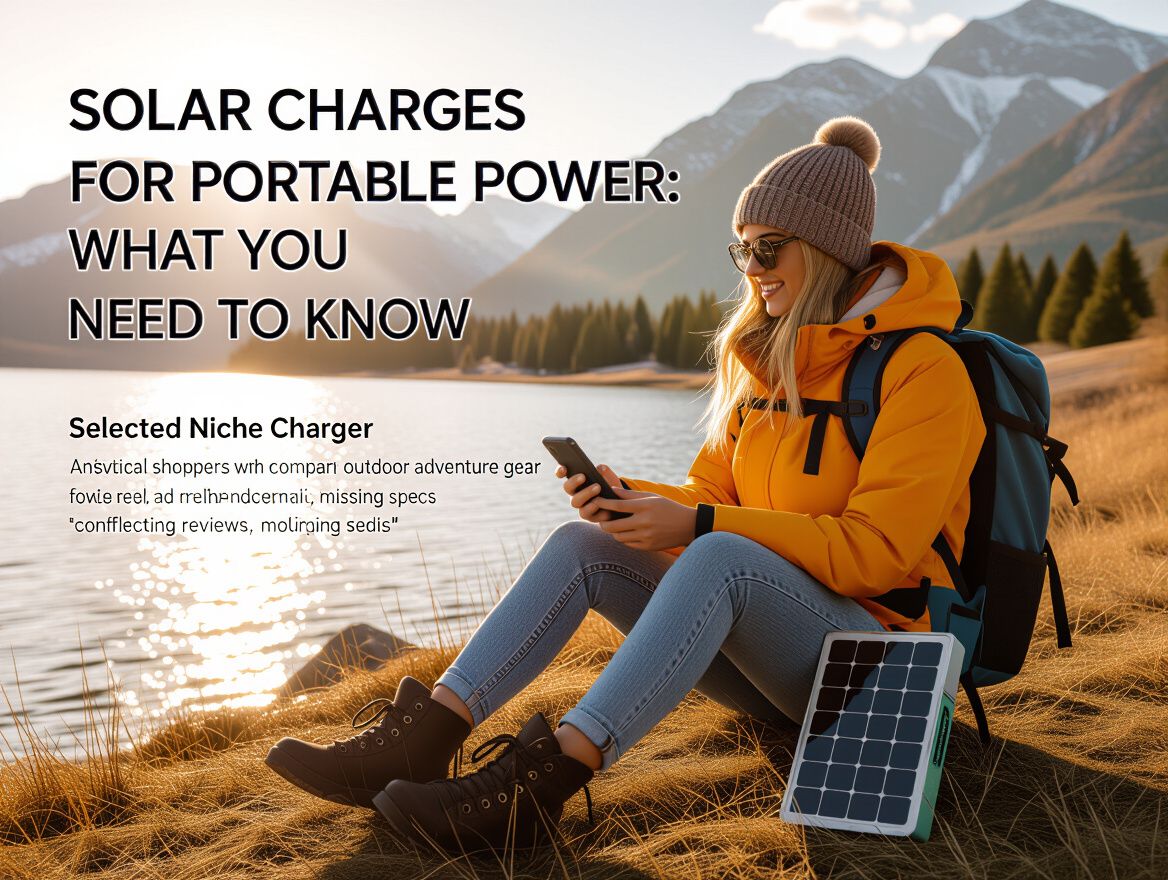
Solar Chargers for Portable Power Stations: What You Need to Know