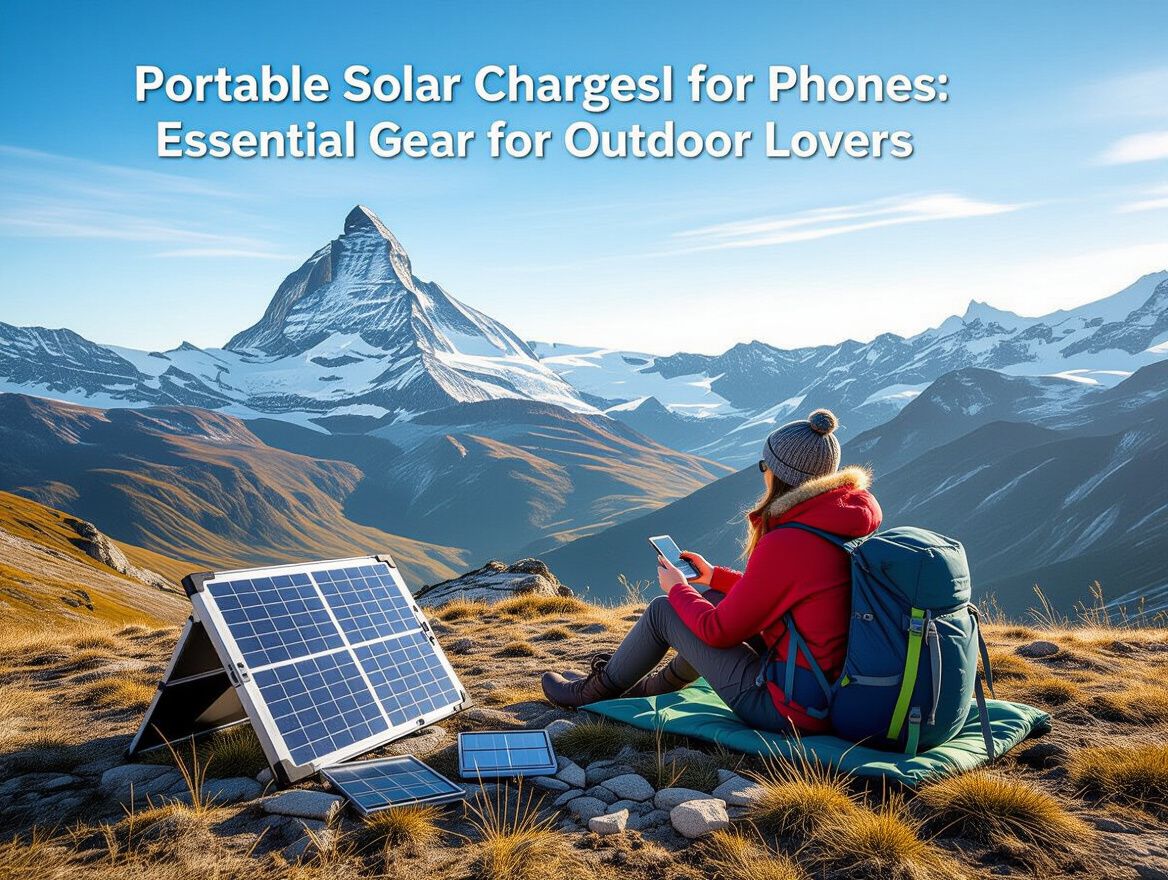
Portable Solar Panel Chargers: Efficient Energy for Your Devices
Understanding Portable Solar Panel Chargers
Portable solar panel chargers are compact devices designed to harness sunlight and convert it into electrical energy, allowing users to charge their electronic devices while on the go. They are particularly beneficial for outdoor enthusiasts, campers, and travelers who require reliable energy solutions away from traditional power sources.
The importance of portable solar panel chargers lies in their ability to provide a sustainable energy option during outdoor activities. They enable users to keep essential devices—such as smartphones, GPS units, and cameras—charged and ready for use, enhancing safety and connectivity in remote areas. Here are some key benefits:
- Sustainability: They use renewable energy, reducing reliance on fossil fuels and minimizing environmental impact.
- Convenience: Lightweight and often foldable, these chargers are easy to carry, making them ideal for hiking, camping, or road trips.
- Versatility: Many models come with multiple ports, allowing simultaneous charging of multiple devices, which is crucial for group outings.
When considering a portable solar panel charger, it's essential to evaluate your specific needs based on your outdoor activities. Factors such as device compatibility, charging speed, and weather conditions can significantly influence your choice. Understanding these aspects will empower you to select a charger that best suits your adventures while ensuring you remain powered up and connected.
Key Features to Consider When Choosing a Portable Solar Panel Charger
When selecting a portable solar panel charger, understanding the essential features can significantly enhance your outdoor experience. Here are key criteria to evaluate:
-
Wattage and Charging Speed: Look for chargers with higher wattage ratings, as they can charge devices faster. Assess your device's power requirements to ensure compatibility with the charger’s output.
-
Portability and Weight Considerations: Since you'll likely carry this charger on outdoor adventures, consider its weight and size. Lightweight models are easier to transport, but ensure they still deliver adequate power.
-
Durability and Weather Resistance: Outdoor conditions can be unpredictable. Opt for chargers made from robust materials that can withstand rain, dust, and rough handling. Check for IP ratings that indicate water and dust resistance.
-
Compatibility with Devices: Ensure the charger has the right ports (USB, USB-C, etc.) to connect with your devices. Some models may also come with built-in adapters for specific devices, enhancing versatility.
By carefully evaluating these features, you can make a more informed decision that aligns with your outdoor energy needs.
Understanding Trade-offs and Limitations
When considering portable solar panel chargers, it's essential to evaluate the trade-offs that come with different types. Each option presents unique advantages and limitations that can significantly impact your outdoor experience.
Performance in Varying Weather Conditions
- Sunlight Dependency: Solar chargers rely heavily on sunlight for optimal performance. In cloudy or rainy weather, charging efficiency can drop significantly.
- Temperature Effects: Extreme temperatures can affect the efficiency of solar panels, with high heat potentially leading to overheating and reduced output.
Charging Capacity versus Size and Weight
- Larger Panels = More Power: Generally, larger solar panels can generate more power but may be less portable. Consider how much weight you’re willing to carry versus your energy needs.
- Compact Options: While smaller panels are more portable, they often have lower charging capacities. Assess your device requirements to find a balance between portability and power.
Cost versus Features
- Higher Price = Advanced Features: More expensive models may offer features such as faster charging times, multiple ports, or built-in batteries, which can enhance usability.
- Budget-Friendly Choices: Lower-cost options might lack some advanced features. Determine which features are essential for your outdoor activities to avoid overspending on unnecessary capabilities.
Understanding these trade-offs can help you make an informed decision that aligns with your outdoor activities and energy needs.
Potential Risks and Considerations
When considering the purchase of portable solar panel chargers, it’s essential to be aware of certain risks and limitations that could impact your outdoor adventures. Understanding these factors can help you make an informed decision and ensure that your charging needs are met effectively.
-
Misleading Product Claims: Some manufacturers may exaggerate the capabilities of their solar chargers. Be cautious of claims regarding charging speeds and power output, as actual performance can vary significantly based on environmental conditions such as sunlight availability and panel orientation.
-
Maintenance and Care Requirements: While portable solar panel chargers are generally low-maintenance, they do require some care to ensure longevity. Regular cleaning of the solar panels is necessary to maintain efficiency, especially if used in dusty or dirty environments. Additionally, storing the charger properly when not in use can prevent damage.
-
Limitations of Solar Charging Technology: Solar charging is inherently dependent on sunlight, which means that performance can be inconsistent, especially in shaded areas or during overcast weather. It’s crucial to have realistic expectations about charging times and to consider backup power options for situations where solar energy may not be sufficient.
By keeping these considerations in mind, you can better assess whether a portable solar panel charger aligns with your specific outdoor energy needs and preferences.
Frequently Asked Questions About Portable Solar Panel Chargers
When considering portable solar panel chargers, many potential buyers have specific questions that can influence their purchasing decisions. Here are some common inquiries and their answers to help you make an informed choice.
What devices can I charge with a portable solar panel?
Portable solar panel chargers are versatile and can charge a variety of devices, including:
- Smartphones: Most models are equipped with USB ports that can directly charge smartphones.
- Tablets: Larger panels often provide enough power to charge tablets efficiently.
- Cameras: Ideal for outdoor enthusiasts who need to keep their cameras charged for photography.
- GPS Devices: Essential for navigation during hikes or road trips.
- Portable Speakers: Perfect for enjoying music while camping or during outdoor gatherings.
How long does it take to charge a device using solar energy?
The charging time for devices using portable solar panel chargers varies based on several factors:
- Panel Efficiency: Higher-efficiency panels charge devices faster.
- Sunlight Conditions: Direct sunlight significantly reduces charging time compared to cloudy or shaded conditions.
- Device Battery Size: Larger batteries, such as those in tablets, take longer to charge than smaller ones, like smartphones.
Generally, charging can take anywhere from 1 to 10 hours, depending on these factors.
Are portable solar panel chargers waterproof?
Many portable solar panel chargers are designed with some level of water resistance, but not all are fully waterproof. Here’s what to consider:
- IP Ratings: Check the Ingress Protection (IP) rating to understand the level of water resistance. An IPX4 rating means it can withstand splashes of water, while higher ratings offer better protection.
- Usage Conditions: If you plan to use the charger in wet environments, look for models specifically marketed as waterproof or water-resistant.
- Care Recommendations: Even water-resistant models should be kept dry whenever possible to ensure longevity and performance.
These answers should clarify some common concerns and help you assess the suitability of portable solar panel chargers for your outdoor adventures.
Making the Right Choice for Your Needs
When choosing a portable solar panel charger, it’s crucial to align your selection with your specific outdoor needs and activities. Here are some key considerations to help you finalize your decision:
-
Match Features to Usage: Identify your primary use case—whether it’s for camping, hiking, or traveling. This will help determine the necessary wattage, size, and durability of the charger. For instance, frequent campers may prioritize larger capacity models, whereas day hikers might benefit from lightweight options.
-
Evaluate Portability vs. Power: Consider the trade-off between portability and charging capacity. While larger panels may provide more power, they can also be bulkier to carry. Assess your tolerance for weight against your power needs to find a suitable balance.
-
Understand Compatibility: Ensure that the charger you choose is compatible with the devices you plan to power. Having the right connections is essential for effective charging, so check for multiple port options if you have various devices.
-
Consider Environmental Factors: If your adventures take you into diverse weather conditions, prioritize chargers that offer durability and weather resistance. Look for products with high IP ratings to ensure they can withstand rain and dust.
Taking the time to reflect on these criteria will empower you to choose a portable solar panel charger that not only meets your energy needs but also enhances your overall outdoor experience.
More in Portable Solar Chargers
View All
Solar Chargers for Portable Power Stations: What You Need to Know