Portable Solar Chargers for Phones: Essential Gear for Outdoor Lovers
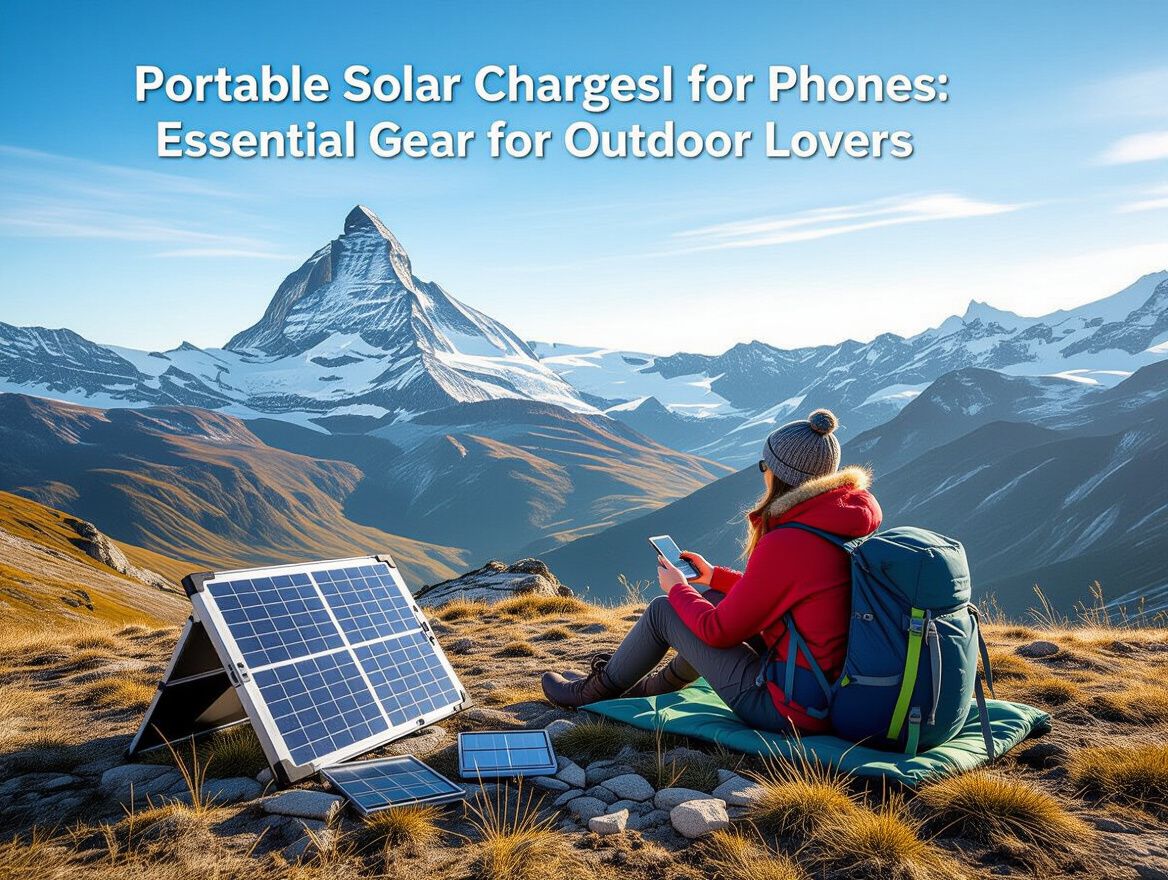
Why Portable Solar Chargers Are Essential for Outdoor Adventures
As outdoor enthusiasts venture into nature, the need for reliable power sources becomes increasingly critical. Portable solar chargers for phones offer a sustainable solution to keep devices charged during extended trips away from traditional power outlets. These chargers harness sunlight to convert solar energy into electrical power, allowing users to recharge their phones and other small electronics while on the go.
Key Benefits of Portable Solar Chargers:
- Sustainability: Utilizing renewable energy reduces reliance on disposable batteries and traditional power sources, making it an eco-friendly choice for outdoor activities.
- Versatility: Many solar chargers come equipped with multiple ports, allowing users to charge several devices simultaneously, which is ideal for group outings.
- Lightweight and Portable: Designed for outdoor use, these chargers are often compact and lightweight, making them easy to pack and carry.
However, while portable solar chargers are invaluable for outdoor adventures, it's essential to consider their limitations. Factors such as weather conditions, charging speed, and compatibility with various devices can impact their effectiveness. Understanding these aspects will help outdoor enthusiasts select the best solar charger to meet their needs, ensuring they remain connected even in the most remote locations.
Key Buying Criteria for Portable Solar Chargers
When selecting a portable solar charger for phones, especially for outdoor adventures, it's essential to evaluate specific features that align with your needs. Here are the key criteria to consider:
-
Battery Capacity and Charging Speed: Look for chargers with sufficient battery capacity (measured in mAh) to ensure they can hold enough charge to power your devices. Additionally, consider the charging speed; faster output (measured in watts) can significantly reduce wait times.
-
Weight and Portability: Since you'll likely be carrying your charger on hikes or camping trips, opt for lightweight and compact designs. Weigh the convenience of portability against battery capacity to find the right balance.
-
Durability and Weather Resistance: Outdoor environments can be harsh. Choose a charger that is rugged and features weather-resistant materials. Look for ratings such as IP65 or higher for water and dust resistance to ensure it can withstand the elements.
-
Compatibility with Various Devices: Ensure the charger is compatible with multiple device types, including smartphones, tablets, and GPS units. Check for universal connectors and output options to maximize versatility during your outdoor activities.
By assessing these criteria, you can make an informed decision that enhances your outdoor experience while keeping your devices charged and ready.
Understanding the Trade-offs in Solar Charger Selection
When choosing portable solar chargers for phones, outdoor enthusiasts must navigate several trade-offs that can impact their charging experience. Understanding these compromises can help you select a charger that fits your specific needs.
Cost vs. Performance
- Budget Considerations: Lower-cost models may offer fewer features or less durable materials, potentially sacrificing performance during crucial moments.
- Long-Term Investment: Higher-priced options often provide better efficiency and longevity, which can be a worthwhile investment for frequent adventurers.
Size vs. Capacity
- Portability: Smaller chargers are easier to carry but may have limited capacity, meaning they take longer to charge devices or may not fully charge larger phones.
- Power Needs: Consider the devices you need to charge; if you frequently use power-hungry devices, a larger charger with a higher capacity may be necessary, even if it adds some weight.
Solar Panel Efficiency vs. Charging Time
- Efficiency Ratings: Chargers with higher efficiency ratings can convert more sunlight into usable energy, reducing the time it takes to charge your phone.
- Environmental Conditions: Be aware that charging times can vary based on weather and location. A highly efficient panel may still struggle in low-light conditions, so having a backup plan for charging is advisable.
By weighing these trade-offs carefully, outdoor enthusiasts can choose a portable solar charger that aligns with their adventure needs while balancing performance, size, and cost.
Potential Risks and Limitations of Portable Solar Chargers
While portable solar chargers for phones provide a convenient charging solution for outdoor enthusiasts, it's important to be aware of their potential risks and limitations. Understanding these factors can help you make an informed decision and ensure a reliable power source during your adventures.
Environmental Factors Affecting Performance
- Sunlight Dependency: Solar chargers require direct sunlight to function effectively. Overcast conditions, shade, or low-angle sunlight can significantly reduce charging efficiency.
- Temperature Sensitivity: Extreme temperatures can impact battery performance. Cold weather may slow down charging rates, while excessive heat can lead to overheating and damage.
Long-term Reliability Concerns
- Durability: Many solar chargers are designed for outdoor use, but they can still be susceptible to wear and tear. Consider the materials used and their resistance to environmental elements.
- Battery Lifespan: The internal batteries of solar chargers may degrade over time, especially if frequently exposed to harsh conditions or not properly maintained. This can lead to reduced performance and shorter charging capabilities.
User Error and Maintenance Needs
- Setup and Positioning: Improper placement can hinder charging efficiency. Users must ensure that the solar panel is oriented correctly towards the sun and free from obstructions.
- Regular Maintenance: Dust and debris can accumulate on solar panels, reducing their effectiveness. Regular cleaning and maintenance are necessary to maintain optimal performance.
By considering these risks and limitations, outdoor enthusiasts can better prepare for their adventures and choose the right portable solar charger that aligns with their needs.
Frequently Asked Questions About Portable Solar Chargers
As outdoor enthusiasts consider portable solar chargers for phones, they often have specific questions regarding their functionality and effectiveness. Here are answers to some common queries:
What devices can be charged with a solar charger?
Portable solar chargers are versatile and can charge a variety of devices, including:
- Smartphones (both Android and iPhone)
- Tablets
- GPS devices
- Cameras
- Portable speakers
However, it's crucial to check the output specifications of the solar charger to ensure compatibility with your device's charging requirements.
How long does it take to charge a phone with a solar charger?
Charging times with solar chargers can vary significantly based on several factors:
- Sunlight Intensity: Direct sunlight will charge your phone faster than in shaded or cloudy conditions.
- Charger Capacity: Chargers with higher wattage outputs can charge devices more quickly.
- Battery Size: Larger phone batteries will take longer to charge.
Typically, you can expect a full charge to take anywhere from 1 to 6 hours, depending on these variables.
Are solar chargers effective in cloudy weather?
While solar chargers can still function in cloudy weather, their efficiency is reduced. Here’s what to consider:
- Reduced Output: Solar panels generate less energy in overcast conditions, which may lead to slower charging times.
- Direct Sunlight is Optimal: For best results, seek direct sunlight whenever possible. If you're planning outdoor activities in areas with frequent cloud cover, consider bringing a backup charging method.
Understanding these factors can help you make informed decisions about using portable solar chargers during your outdoor adventures.
Making the Right Choice for Your Outdoor Power Needs
Choosing the right portable solar charger for your phone is crucial for ensuring you stay connected during outdoor adventures. With various options available, understanding your specific use case will help you make an informed decision.
Key Considerations:
- Charging Capacity: Assess how much power you need based on the duration of your trip and the number of devices. Consider chargers with higher capacity for extended outings.
- Portability: Look for lightweight and compact designs, especially if you’re hiking or backpacking. Larger units may offer more power but can be cumbersome.
- Weather Resistance: Outdoor conditions can be unpredictable. Select models that are durable and water-resistant to withstand rain or rough handling.
- Efficiency: Evaluate the solar charging efficiency, especially if you plan to use it in varying sunlight conditions. Some chargers perform better in shaded or cloudy environments.
Usage Scenarios:
- Day Trips: For short excursions, a smaller charger may suffice, providing enough power for occasional phone use.
- Extended Camping: Longer trips may require a more robust solution that can charge multiple devices or provide power for other gear.
Risk Factors:
- Dependability: Solar chargers can be affected by weather and sunlight availability, so it’s wise to have a backup charging method.
- Charging Speed: Be aware that solar charging is generally slower than traditional methods, which may be a consideration if you need rapid power.
By reflecting on these criteria and your personal usage scenarios, you can select a portable solar charger that best meets your outdoor power needs, ensuring your devices stay charged and you remain connected during your adventures.
More in Portable Solar Chargers
View All