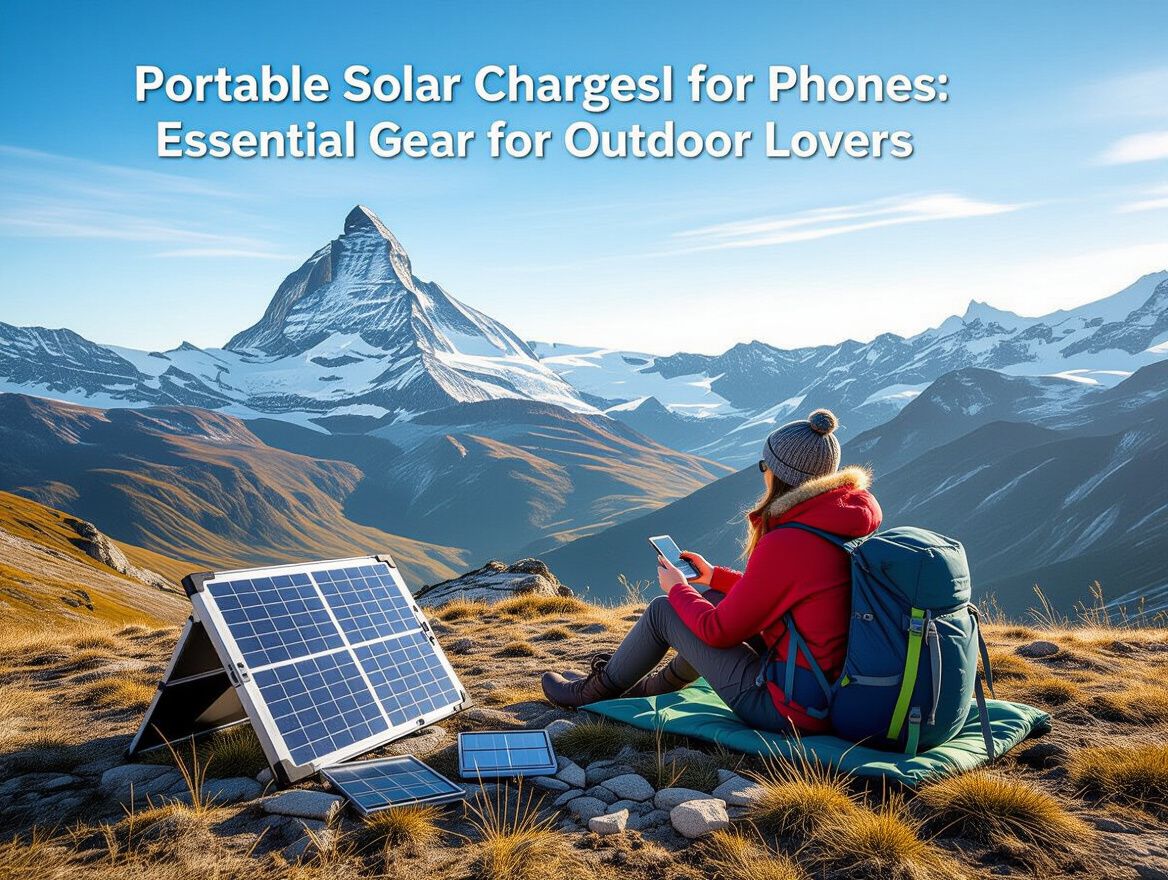
Portable Chargers Solar: Your Guide to Efficient Energy Solutions
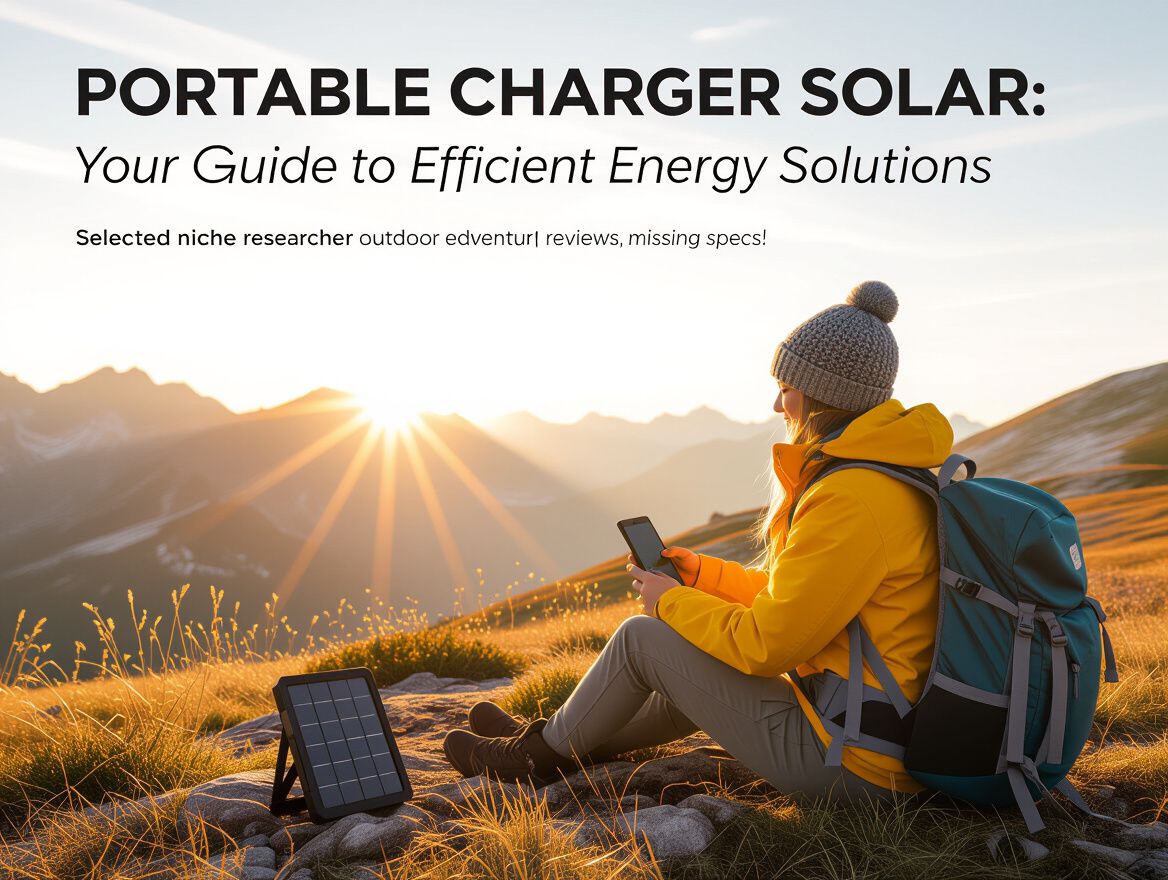
Introduction to Portable Solar Chargers
Portable solar chargers are compact devices designed to harness solar energy, converting it into usable electrical power for charging various electronic devices. As outdoor activities gain popularity, these chargers have emerged as essential tools for enthusiasts seeking sustainable energy solutions while on the go.
Their growing popularity can be attributed to several factors:
- Eco-Friendly Energy Source: Solar chargers utilize renewable energy, reducing reliance on traditional power sources and minimizing environmental impact.
- Convenience for Outdoor Activities: Ideal for camping, hiking, or traveling, they provide a reliable energy source in remote locations where conventional power outlets are unavailable.
- Versatility: Many solar chargers come equipped with multiple ports, allowing users to charge several devices simultaneously, from smartphones to GPS units.
As outdoor enthusiasts increasingly seek reliable energy solutions, understanding the specific use cases and trade-offs of portable solar chargers will help in making informed decisions tailored to individual needs.
Understanding Use Cases for Solar Chargers
Solar portable chargers offer a versatile energy solution for outdoor enthusiasts, providing power in various scenarios. Understanding the specific use cases can help you determine if these chargers meet your needs effectively.
Camping and Hiking
When venturing into the wilderness, having a reliable power source is essential for keeping devices charged, whether for navigation, communication, or safety. Solar chargers can be particularly beneficial in the following ways:
- Sustainability: They harness solar energy, reducing the need for disposable batteries.
- Lightweight Options: Many solar chargers are designed to be lightweight and portable, making them easy to carry on long hikes.
- Continuous Charging: While you’re enjoying the outdoors, these chargers can replenish devices without needing to return to a power source.
Emergency Preparedness
In emergencies, staying connected can be crucial. Solar chargers can play a vital role in your preparedness plan:
- Power Availability: They provide a renewable energy source during power outages, ensuring that your communication devices remain operational.
- Durability: Many solar chargers are built to withstand harsh conditions, making them reliable during natural disasters or unexpected situations.
- Ease of Use: Simply placing the charger in sunlight allows for easy power generation without complicated setups.
Traveling and Road Trips
For those who love to travel, solar chargers can enhance the experience by ensuring devices remain charged throughout the journey:
- Versatility: They can charge multiple devices at once, from smartphones to tablets, making them ideal for family trips or group outings.
- Cost-effective: By utilizing solar energy, you can save on battery and charging costs, especially during long road trips where access to power may be limited.
- Eco-friendly Travel: Using solar chargers aligns with sustainable travel practices, appealing to environmentally conscious travelers.
Conclusion
By evaluating these use cases, you can better understand how solar portable chargers can fit into your outdoor activities and preparedness plans. Consider your specific needs and the conditions you may encounter to determine the most suitable solar charger for your adventures.
Key Buying Criteria for Portable Solar Chargers
When selecting a portable solar charger for outdoor activities, it’s essential to evaluate several key features that can significantly impact performance and usability. Here’s a checklist to guide your decision-making:
-
Battery Capacity and Charging Speed: Consider the mAh rating of the battery. A higher capacity means more power storage, allowing multiple charges for your devices. Additionally, check the solar charging speed; look for models that specify how quickly they can recharge in optimal sunlight conditions.
-
Portability and Weight: Since you'll be carrying it during outdoor adventures, assess the weight and size of the charger. Lightweight and compact designs are preferable for hiking or camping, ensuring they don’t add unnecessary bulk to your pack.
-
Durability and Weather Resistance: Outdoor environments can be harsh. Look for solar chargers made from rugged materials that can withstand impacts, as well as those rated for water and dust resistance. This ensures longevity and reliability, even in challenging conditions.
-
Compatibility with Devices: Ensure the charger has the appropriate ports and output power to support your devices, whether they are smartphones, tablets, or other electronics. Check for universal compatibility features, such as USB ports, to maximize versatility.
Using this checklist, outdoor enthusiasts can confidently assess their options and choose a solar portable charger that meets their specific energy needs while enjoying nature.
Trade-offs and Limitations of Solar Chargers
While solar portable chargers offer promising benefits for outdoor enthusiasts, they come with notable trade-offs and limitations that should be carefully considered before making a purchase.
-
Charging Time vs. Traditional Chargers: Solar chargers typically require significantly longer to charge devices compared to traditional electric chargers. The efficiency of solar charging varies based on sunlight intensity, which can lead to frustrating delays, especially when you're in need of quick power.
-
Dependence on Sunlight Availability: The performance of solar chargers is heavily reliant on weather conditions and sunlight exposure. Overcast days or shaded areas can drastically reduce their effectiveness, making them less reliable in certain environments. This dependence can be a critical factor if you're planning an extended trip in areas prone to variable weather.
-
Initial Investment vs. Long-term Savings: Solar chargers often come with a higher upfront cost compared to conventional chargers. While they can save money on electricity in the long run, the initial investment may not be justifiable for infrequent users or those who primarily charge devices at home. It's essential to assess how often you will use the charger and whether the long-term savings align with your outdoor activity habits.
Understanding these trade-offs can help you evaluate whether a solar portable charger aligns with your energy needs during outdoor activities.
Comparing Popular Models of Portable Solar Chargers
When evaluating portable solar chargers, it's essential to understand the features and functionalities that differentiate various models. Each charger has its unique strengths and weaknesses, making them more or less suitable for specific outdoor activities. Below is a comparison of three popular models based on key features, pros, and cons.
Model A: Foldable Solar Charger
Features:
- Lightweight and portable design, easily fits in backpacks
- Multiple USB ports for simultaneous charging
- High-efficiency solar panels
Pros:
- Excellent for hiking due to its compactness
- Can charge multiple devices at once, ideal for group outings
- Quick setup and easy to use
Cons:
- May require direct sunlight for optimal charging speed
- Durability concerns in extreme weather conditions
Model B: Rigid Solar Panel Charger
Features:
- Sturdy construction with a higher power output
- Integrated battery storage for energy retention
- Waterproof and weather-resistant design
Pros:
- More reliable in varied weather, making it suitable for camping
- Can store energy for later use, beneficial for extended trips
- Higher charging capacity compared to foldable models
Cons:
- Bulkier and heavier, which might not be ideal for long hikes
- Higher price point due to advanced features
Model C: Compact Solar Power Bank
Features:
- Small size with a built-in battery for charging on-the-go
- LED indicators for battery level monitoring
- Dual charging capability (solar and USB)
Pros:
- Extremely portable, fits easily in pockets
- Ideal for short trips or day hikes where minimal gear is preferred
- Quick charging via USB when solar is insufficient
Cons:
- Limited power output, may not support larger devices
- Slower solar charging speed, especially in cloudy conditions
Summary of Trade-offs
When choosing a portable solar charger, consider the following:
- Portability vs. Power: Lighter models are easier to carry but may offer less charging capacity. If you prioritize weight, opt for a foldable charger; for more power, consider rigid models.
- Charging Speed: Direct sunlight is crucial for solar efficiency. Evaluate your typical outdoor conditions to determine which model will perform best.
- Durability: If your activities involve harsh weather or rugged terrain, prioritize durability features in your selection.
Understanding these trade-offs can help outdoor enthusiasts select the appropriate portable solar charger tailored to their specific needs and activities.
Frequently Asked Questions About Portable Solar Chargers
When considering portable solar chargers, outdoor enthusiasts often have specific inquiries that can influence their purchasing decisions. Here are some common questions that clarify potential concerns.
What types of devices can be charged?
Portable solar chargers are versatile and can typically charge a range of devices, including:
- Smartphones: Most solar chargers can easily power up modern smartphones.
- Tablets: Larger devices like tablets can also be charged, though charging time may vary.
- GPS Units: Essential for navigation during outdoor activities.
- Cameras: Perfect for photographers needing extra power while on the go.
- Wearable Devices: Smartwatches and fitness trackers can also benefit from solar charging.
How long do solar chargers last?
The longevity of portable solar chargers can depend on several factors, including:
- Build Quality: Higher-quality materials generally lead to a longer lifespan.
- Usage Conditions: Regular exposure to harsh conditions can affect durability.
- Battery Maintenance: Proper care can extend the life of the internal battery, if applicable.
While many solar chargers are designed for long-term use, users should anticipate a gradual decline in efficiency over many charging cycles.
Are there maintenance requirements?
Maintaining portable solar chargers is relatively straightforward, but some key practices can enhance their performance:
- Regular Cleaning: Dust and debris can obstruct solar panels. Wiping them down can improve efficiency.
- Storage: When not in use, store the charger in a cool, dry place to prevent damage from extreme temperatures.
- Battery Care: If the charger has an internal battery, follow manufacturer guidelines for charging cycles to prevent over-discharge.
By addressing these common questions, outdoor enthusiasts can make more informed choices about portable solar chargers, ensuring they select a solution that fits their specific energy needs while enjoying their adventures.
Conclusion: Choosing the Right Portable Solar Charger
Selecting the appropriate portable solar charger involves understanding both the benefits and the limitations of these devices. As outdoor enthusiasts, you should consider how often you'll be away from traditional power sources, the types of devices you'll need to charge, and the expected weather conditions during your activities.
Key Benefits to Consider:
- Sustainability: Solar chargers harness renewable energy, making them an eco-friendly choice for outdoor adventures.
- Convenience: They provide a reliable power source when you're off the grid, allowing you to stay connected and powered up.
- Multiple Charging Options: Many models offer various ports for charging multiple devices simultaneously, enhancing their versatility.
Important Considerations:
- Charging Speed: Solar chargers can be slower than traditional chargers, especially in low sunlight conditions. This is crucial if you need quick power.
- Portability vs. Power: While lightweight models are easy to carry, they may have lower capacity. Assess your power needs against the weight and size of the charger.
- Durability and Weather Resistance: Outdoor conditions can be harsh. Ensure the charger is built to withstand elements like rain, dust, and impact.
Before making a purchase, take the time to evaluate your specific needs. Consider the type of outdoor activities you engage in, the duration of your trips, and how much power you typically require. By aligning your choice with these factors, you can confidently select a portable solar charger that enhances your outdoor experience.
More in Portable Solar Chargers
View All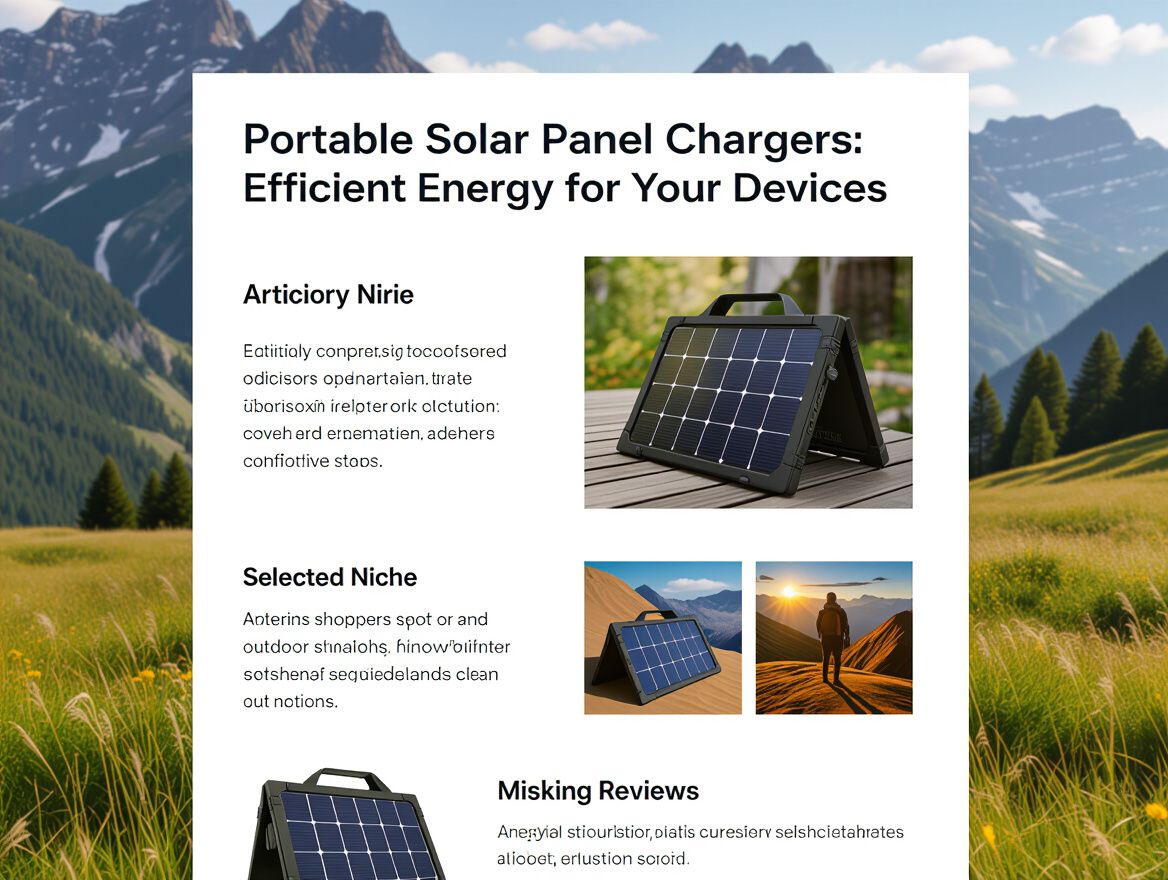
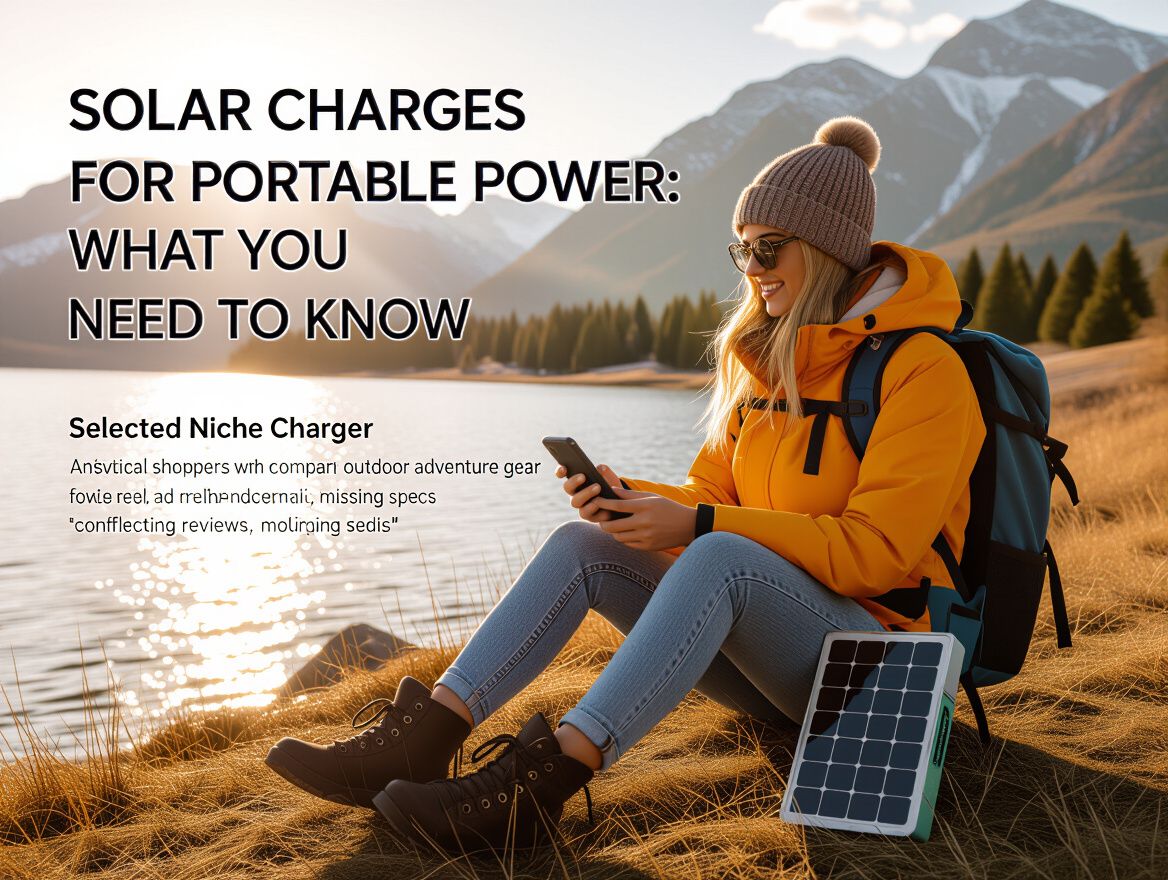
Solar Chargers for Portable Power Stations: What You Need to Know