Top Safety Equipment for Hiking: Ensure Your Safety on the Trail
Understanding the Importance of Safety Equipment for Hiking
Hiking offers a wonderful opportunity to connect with nature, but it also comes with inherent risks that can jeopardize your safety. Common hazards include sudden weather changes, wildlife encounters, and injuries such as sprains or fractures. Being prepared with the right safety equipment is crucial for mitigating these risks and ensuring a safe adventure.
Safety equipment for hiking serves multiple purposes:
- Emergency Preparedness: Items like first-aid kits and emergency whistles can be lifesavers in critical situations, helping you signal for help or treat minor injuries.
- Navigation Aids: Compasses and maps, or GPS devices, assist in keeping you on the right path, reducing the risk of getting lost.
- Weather Protection: Gear such as waterproof jackets and thermal layers can shield you from rain and cold, which is vital for maintaining body temperature and avoiding hypothermia.
- Visibility and Awareness: Reflective gear and headlamps improve visibility in low-light conditions, ensuring you can navigate safely.
The importance of being prepared cannot be overstated. Each piece of safety equipment plays a role in enhancing your overall hiking experience, allowing you to focus on the journey rather than potential dangers. Prioritizing safety gear not only protects you but also provides peace of mind, enabling you to enjoy the beauty of the outdoors with confidence.
Essential Safety Equipment Checklist for Hikers
When preparing for a hiking adventure, ensuring you have the right safety equipment is crucial for a successful and secure experience on the trail. Below is a comprehensive checklist of must-have safety items, along with brief descriptions of each item's purpose to help you evaluate your needs.
-
First Aid Kit: A compact kit containing bandages, antiseptic wipes, pain relievers, and other essentials to treat minor injuries or ailments that might occur during your hike.
-
Navigation Tools: Map and compass or a GPS device help you stay on course, especially in areas where trails may not be well-marked.
-
Emergency Whistle: A lightweight whistle can signal for help over long distances, which is more effective than shouting in emergencies.
-
Headlamp or Flashlight: Essential for visibility during low-light conditions or emergencies; ensure you have extra batteries.
-
Multi-tool or Knife: Versatile tools can assist in various situations, from preparing food to making repairs on gear.
-
Fire Starter Kit: Waterproof matches, a lighter, or fire starters are critical for warmth and signaling in emergencies.
-
Water Filtration System: Staying hydrated is vital. A portable water filter or purification tablets allow you to safely drink from natural water sources.
-
Emergency Blanket: Compact and lightweight, these blankets provide warmth and protection from the elements in unexpected situations.
-
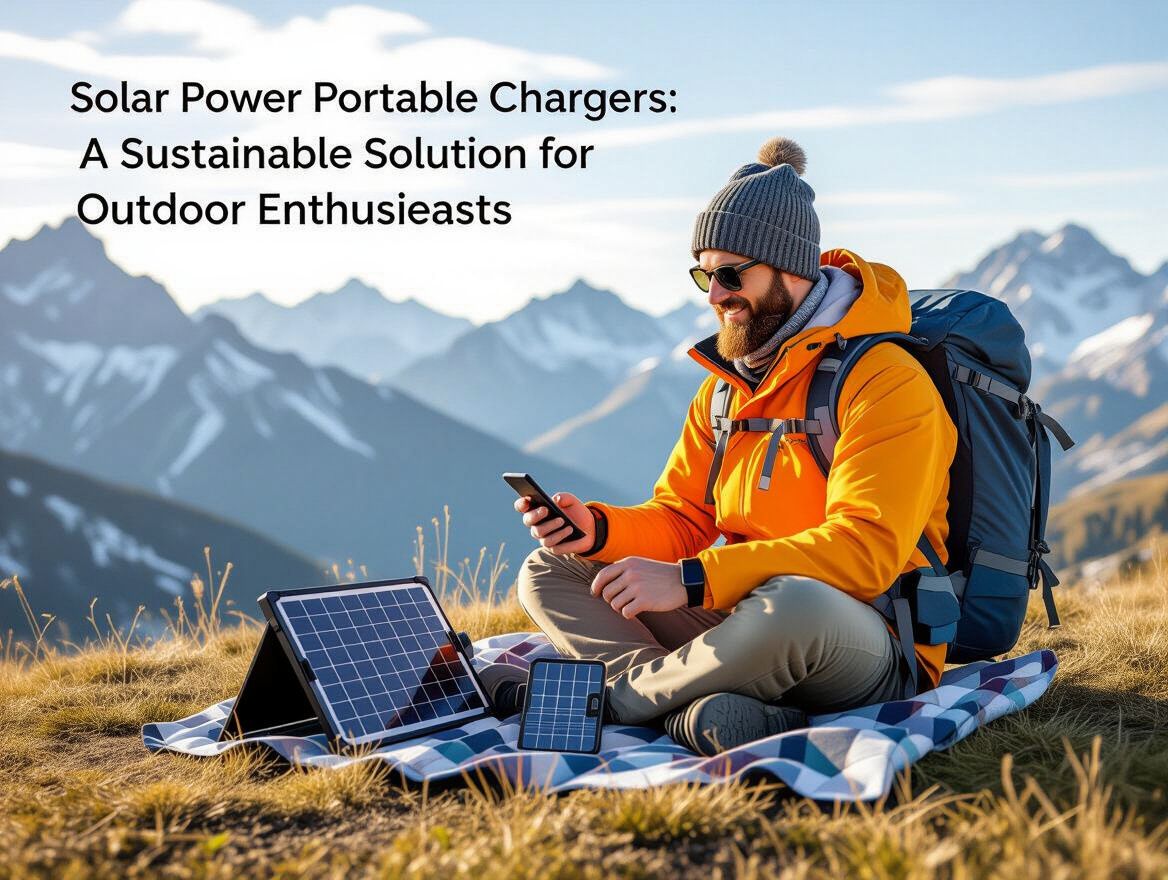
Portable Solar Charger: For extended hikes, a solar charger can keep your electronic devices powered, ensuring you can navigate and communicate.
-
Personal Locator Beacon (PLB): A crucial safety device that can send distress signals to rescue services when you're in trouble, especially in remote areas.
When selecting your safety equipment, consider the terrain, weather conditions, and duration of your hike. Each item plays a role in mitigating risks and enhancing your preparedness, so evaluate their importance based on your specific hiking plans.
Evaluating Your Safety Needs: What to Consider
When selecting safety equipment for hiking, it's crucial to assess various factors that can significantly impact your outdoor experience. Understanding your specific needs will help you make informed choices that enhance your safety while on the trail.
Different Hiking Environments and Their Risks
- Terrain Type: Rocky, muddy, or steep trails can pose different hazards. For instance, rocky trails may require sturdy footwear and ankle support, while muddy paths might necessitate waterproof gear.
- Wildlife: Depending on the region, encounters with wildlife can be a concern. In areas known for bears or snakes, bear spray and first-aid kits are essential.
- Altitude: Higher elevations can lead to altitude sickness. If hiking in mountainous regions, consider gear that helps with acclimatization, such as hydration systems.
Personal Experience Level and Preparedness
- Skill Level: New hikers may need more basic safety equipment, such as compass and maps, while experienced hikers may require advanced navigation tools or emergency beacons.
- Preparation: Assess your knowledge of first aid and survival skills. If you lack experience, consider carrying a more comprehensive first-aid kit and a guidebook.
Weather Conditions and Their Impact on Safety Equipment Choice
- Seasonal Changes: Weather can change rapidly in the outdoors. In colder climates, layering systems, insulated jackets, and emergency blankets are crucial, while summer hikes may require sun protection and hydration solutions.
- Rain and Wind: For wet or windy conditions, waterproof gear and windbreakers are essential. Evaluate the forecast before heading out, as unexpected weather can increase risks.
By carefully considering these factors, you can better evaluate your safety needs and choose the appropriate equipment for your hiking adventures. Prioritizing your safety will not only enhance your enjoyment but also prepare you for unforeseen challenges on the trail.
Comparing Types of Safety Equipment for Hiking
When preparing for a hike, understanding the various types of safety equipment available can help ensure a safer and more enjoyable experience. Each category of safety gear has its own advantages and disadvantages, which can significantly influence your selection based on the specific needs of your hiking trip.
Portable Jump Starters vs. Other Safety Equipment
Portable jump starters are designed to help revive a dead vehicle battery, making them a valuable asset for hikers who may be driving to remote trailheads. However, their utility is largely limited to vehicle-related emergencies. Here are some considerations:
-
Pros of Portable Jump Starters:
- Convenience: Easy to store in your vehicle and can be used without another car.
- Multi-functionality: Many models also include USB ports for charging devices.
-
Cons of Portable Jump Starters:
- Limited Use Case: Primarily beneficial for automotive issues, not hiking-related emergencies.
- Weight and Size: Can be bulkier compared to other essential hiking safety gear.
In contrast, other safety equipment, such as first aid kits, navigation tools, and emergency beacons, serve a broader range of scenarios:
-
Pros of General Hiking Safety Equipment:
- Versatility: Items like first aid kits and navigation tools can address various emergencies that may arise on the trail.
- Lightweight Options: Many safety gear items are designed to be compact and lightweight, making them easier to carry.
-
Cons of General Hiking Safety Equipment:
- Specialization: Some equipment may not cover specific situations, such as vehicle breakdowns, which could make a portable jump starter more appealing for certain hikers.
Evaluating Your Needs
When choosing safety equipment for hiking, consider the following factors:
- Hiking Environment: Are you hiking in a remote area where vehicle access is limited? If so, prioritize gear that addresses trail-related emergencies.
- Duration of Hikes: Longer hikes may necessitate more comprehensive safety equipment, including first aid supplies and navigation aids.
- Personal Comfort and Skill Level: Assess your comfort with handling emergencies. More experienced hikers might opt for minimal gear, while beginners may prefer comprehensive kits.
Risk Considerations
Before finalizing your safety equipment choices, be aware of potential risks:
- Overpacking: Carrying too much gear can lead to fatigue, which may increase the risk of accidents.
- Underestimating Needs: Conversely, not having adequate safety equipment can leave you vulnerable in emergency situations.
By carefully weighing the pros and cons of portable jump starters versus other safety equipment, and by considering your specific hiking conditions and needs, you can make informed decisions that enhance your safety on the trail.
Understanding Risks and Limitations of Safety Equipment
When it comes to hiking, investing in safety equipment is essential, but it's equally important to understand that gear alone cannot guarantee your safety. Here are some critical considerations regarding potential failure points and the limitations of relying solely on safety equipment:
-
Common Pitfalls: Many hikers may mistakenly believe that having the latest safety gear is sufficient for a safe hiking experience. However, over-reliance on equipment can lead to complacency. For instance, assuming that a GPS device will always work can be dangerous if batteries die or signal is lost.
-
Skill and Knowledge: The effectiveness of safety equipment is heavily reliant on the user's knowledge and skills. For example, knowing how to properly use a first aid kit or navigate with a map and compass can make a significant difference in emergency situations. Training and experience are vital components of safety that cannot be replaced by gear.
-
Environmental Factors: Safety equipment may have limitations based on environmental conditions. For instance, a portable solar charger for hiking might not function effectively in prolonged cloudy weather, leaving you without power for essential devices.
-
Maintenance and Reliability: Regular maintenance of equipment is crucial. A malfunctioning headlamp or a damaged first aid kit can compromise your safety. It's important to routinely check and maintain your gear to ensure it performs when needed.
-
Situational Awareness: Safety equipment cannot replace situational awareness. Being aware of your surroundings, weather changes, and potential hazards is essential for safe hiking. Equipment should complement your skills rather than serve as a substitute.
Understanding these risks and limitations can help hikers make informed decisions about the safety equipment they choose and how they prepare for their outdoor adventures.
Frequently Asked Questions About Hiking Safety Equipment
When considering safety equipment for hiking, it's important to understand the specific problems these tools solve. Hikers often face risks such as sudden weather changes, injuries, or getting lost. Reliable safety gear—like first aid kits, navigation tools, and emergency communication devices—provides peace of mind and enhances your ability to respond to unexpected challenges on the trail.
How to Choose the Right Safety Equipment
Selecting the appropriate safety equipment hinges on several criteria:
- Hiking Environment: Consider the terrain and weather conditions you will encounter. For instance, hiking in remote areas may necessitate a GPS device, while urban trails might require less specialized gear.
- Hiking Duration: Longer hikes increase the likelihood of emergencies, making it essential to pack comprehensive first aid kits and portable chargers for communication devices.
- Personal Experience: Beginners may need more basic safety gear and instruction, while seasoned hikers might prioritize advanced tools that suit their specific activities.
Trade-offs in Safety Equipment Choices
Choosing safety equipment often involves weighing trade-offs:
- Weight vs. Functionality: Heavier gear may offer more features but can be cumbersome. Lightweight options are easier to carry but might lack certain functionalities.
- Cost vs. Quality: High-quality safety equipment may come at a premium price, but investing in reliable gear can prevent costly emergencies in the long run.
- Simplicity vs. Complexity: Some equipment can be user-friendly but may not provide the depth of features that more complex gear offers. Assess your comfort level with technology when making these decisions.
Understanding these aspects can help you make informed choices that enhance your hiking experience while keeping safety a priority.
Making Informed Decisions About Hiking Safety Equipment
When venturing into the great outdoors, having the right safety equipment for hiking is crucial for a secure and enjoyable experience. As you evaluate your options, consider the following key points to ensure you make informed decisions tailored to your personal needs:
-
Assess Your Environment: Different terrains and weather conditions can significantly impact your safety requirements. For instance, a hike in a mountainous area may necessitate additional gear compared to a flat, well-marked trail.
-
Evaluate Your Experience Level: Beginners may require more comprehensive safety equipment, such as basic first aid kits and navigation tools, while seasoned hikers might prioritize lightweight gear that offers specific functionalities.
-
Understand Potential Risks: Recognize the common hazards associated with hiking, such as sudden weather changes, wildlife encounters, or injuries. This understanding can guide you in selecting equipment that mitigates these risks effectively.
-
Prioritize Multi-Functionality: Look for gear that serves multiple purposes. For example, portable solar chargers can keep your devices powered while also being lightweight and compact, making them an excellent addition to your safety kit.
-
Budget Considerations: While high-quality safety gear is essential, understanding your budget and the trade-offs between cost and functionality can help you prioritize your purchases without compromising safety.
In conclusion, selecting the right safety equipment for hiking requires thoughtful consideration of your specific needs, the environments you’ll encounter, and the potential risks involved. By evaluating these factors, you can build a safety kit that enhances your outdoor experience and gives you peace of mind on the trail.