Solar Chargers for Portable Power Stations: What You Need to Know
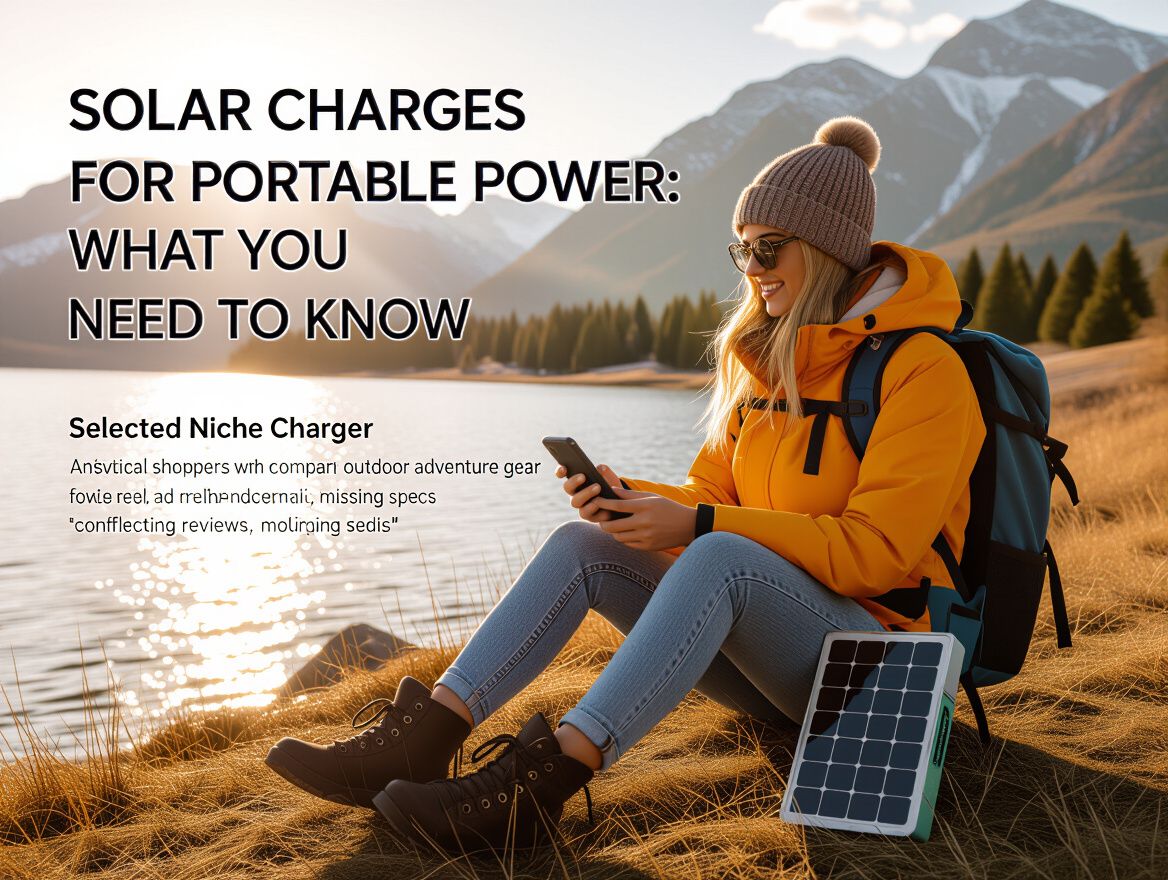
Understanding Solar Chargers for Portable Power Stations
Solar chargers are devices designed to capture sunlight and convert it into electrical energy, which can then be used to recharge portable power stations. These power stations, in turn, provide a reliable source of electricity for various devices during outdoor adventures. As outdoor enthusiasts increasingly rely on technology, integrating solar chargers with portable power stations becomes essential for maintaining connectivity and powering essential gear.
The importance of solar energy in outdoor activities cannot be overstated. It offers an eco-friendly and sustainable power source, enabling users to harness nature's energy while reducing reliance on traditional fossil fuels. This is particularly beneficial for those venturing into remote areas where conventional power sources may be unavailable.
Benefits of using solar chargers with portable power stations include:
- Sustainability: Reduces carbon footprint by utilizing renewable energy.
- Versatility: Powers a range of devices, from smartphones to camping equipment.
- Independence: Provides power on-the-go, allowing extended trips without the worry of running out of battery.
- Cost-effectiveness: After the initial investment, solar energy is free, lowering long-term energy costs.
Understanding these elements helps outdoor enthusiasts make informed decisions about integrating solar chargers into their power solutions, ensuring they are prepared for their adventures.
Key Features to Consider When Choosing a Solar Charger
Selecting the right solar charger for your portable power station can significantly enhance your outdoor experience. To ensure you make an informed decision, consider the following critical features:
-
Wattage and Charging Speed: Evaluate the wattage output of the solar charger, as this directly impacts how quickly your power station can recharge. Higher wattage means faster charging times, which is crucial during extended outdoor trips.
-
Portability and Weight: Look for a solar charger that balances performance with portability. Lightweight and compact models are easier to carry on hikes or camping trips, while larger panels might offer better efficiency but can be cumbersome.
-
Durability and Weather Resistance: Outdoor adventures expose your gear to various elements. Choose a solar charger that is built to withstand harsh conditions, including rain, dust, and high winds. Look for features like rugged casing and water-resistant materials.
-
Compatibility with Various Power Stations: Ensure the solar charger is compatible with your specific portable power station model. Some chargers may only work with certain brands or types, so check the specifications to avoid connectivity issues.
These features play a vital role in determining the effectiveness and usability of a solar charger during your outdoor adventures. By prioritizing these criteria, you can enhance your portable power station's functionality and ensure a reliable power source wherever you go.
Understanding Trade-offs and Limitations
When considering solar chargers for portable power stations, it's crucial to evaluate the trade-offs and limitations that can impact their effectiveness during outdoor adventures. Here are some key factors to keep in mind:
-
Charging Speed vs. Solar Conditions: The efficiency of solar chargers is heavily influenced by weather conditions and sunlight availability. On cloudy days or in shaded areas, charging times can significantly increase, which may not meet your power needs during critical moments.
-
Cost vs. Longevity: While investing in higher-quality solar chargers may seem expensive upfront, they often provide better durability and longer life spans. Cheaper models may save you money initially but could require replacement sooner, which could negate any cost benefits over time.
-
Size vs. Portability: Larger solar panels can capture more sunlight and generate power more quickly, but they can also be bulkier and heavier to carry. Conversely, smaller, more portable options may be easier to transport but could compromise on power output and charging efficiency.
Understanding these trade-offs can help you make an informed decision about which solar charger best fits your portable power station needs while enhancing your outdoor experience.
Risks and Considerations Before Purchase
When considering solar chargers for portable power stations, outdoor enthusiasts should be aware of several risks that may impact their performance and reliability. Understanding these factors can help you make informed decisions and better prepare for your adventures.
-
Over-reliance on Solar Power: While solar chargers offer a sustainable power source, they should not be your only means of charging. Depending solely on solar energy can lead to power shortages, especially if weather conditions are less than favorable. It's wise to have alternative charging options available.
-
Misleading Product Claims: The solar charging market can be rife with exaggerated claims regarding charging speed and capacity. Some products may not deliver the performance promised, leading to frustration when you're relying on them in the wild. Always verify specifications through trusted reviews or user feedback.
-
Environmental Factors Impacting Performance: Weather conditions play a significant role in solar charging efficiency. Factors such as cloud cover, angle of sunlight, and temperature can drastically affect how well a solar charger performs. Be prepared for variations in output based on these external conditions, which can be particularly challenging in remote locations.
By keeping these risks in mind, you can better evaluate which solar chargers are suitable for your portable power stations and how to effectively integrate them into your outdoor adventures.
Frequently Asked Questions about Solar Chargers
When considering solar chargers for portable power stations, outdoor enthusiasts often have specific concerns. Here are answers to common questions that can help clarify your decision-making process.
What problems do solar chargers solve compared to alternatives?
Solar chargers provide a sustainable and renewable power source, especially in remote areas where traditional electrical outlets are unavailable. Key advantages include:
- Independence from the Grid: They allow you to charge devices without relying on fossil fuels or grid electricity, making them ideal for off-grid adventures.
- Lightweight and Portable: Many solar chargers are designed for easy transport, making them suitable for hiking, camping, or road trips.
- Environmentally Friendly: Utilizing solar energy reduces your carbon footprint, appealing to eco-conscious users.
How do I know which solar charger fits my power station?
Compatibility between your solar charger and power station is crucial. Consider these factors:
- Power Output: Ensure the solar charger’s output (measured in watts) meets or exceeds the input requirements of your power station.
- Connector Types: Check if the solar charger has the appropriate connectors for your power station, such as MC4, Anderson, or USB.
- Charging Speed: Look for chargers that can efficiently convert sunlight into usable power, as this can significantly affect how quickly you can recharge your devices.
What are the maintenance requirements for solar chargers?
While solar chargers are generally low-maintenance, a few practices can enhance their longevity:
- Regular Cleaning: Dust and debris can obstruct sunlight absorption, so clean the panels periodically with a soft, damp cloth.
- Proper Storage: Store your solar charger in a cool, dry place when not in use to prevent damage from extreme temperatures or moisture.
- Check Connections: Ensure that all cables and connectors are intact and free from corrosion to maintain optimal performance.
By addressing these frequently asked questions, you can make a more informed decision about choosing the right solar charger for your portable power station, ensuring a reliable power source during your outdoor adventures.
Making an Informed Decision on Solar Chargers
When considering solar chargers for portable power stations, it's essential to weigh the features and risks associated with these devices. Solar chargers can significantly enhance your outdoor experience by providing a reliable power source for your devices, but their effectiveness can vary based on several factors.
Key Features to Consider:
- Power Output: Assess the wattage and amperage to ensure it meets your charging needs.
- Portability: Look for lightweight and compact designs if you're hiking or traveling.
- Durability: Ensure the charger can withstand outdoor conditions, including water resistance and rugged construction.
- Compatibility: Check that the solar charger works with your specific portable power station and devices.
Risks and Trade-offs:
- Charging Speed: Solar charging can be slower than traditional methods, especially on cloudy days.
- Dependence on Sunlight: Performance is contingent on sunlight availability, which can limit usage in shaded areas or during inclement weather.
- Initial Investment: While solar chargers can save money in the long run, the upfront cost can be higher compared to standard chargers.
Final Thoughts:
Before making a purchase, evaluate your personal needs and outdoor activities. Consider how frequently you'll rely on solar power and the specific environments you'll encounter. By understanding the features, risks, and suitability of solar chargers for your portable power station, you can make an informed decision that enhances your outdoor adventures with reliable solar energy.
More in Portable Solar Chargers
View All