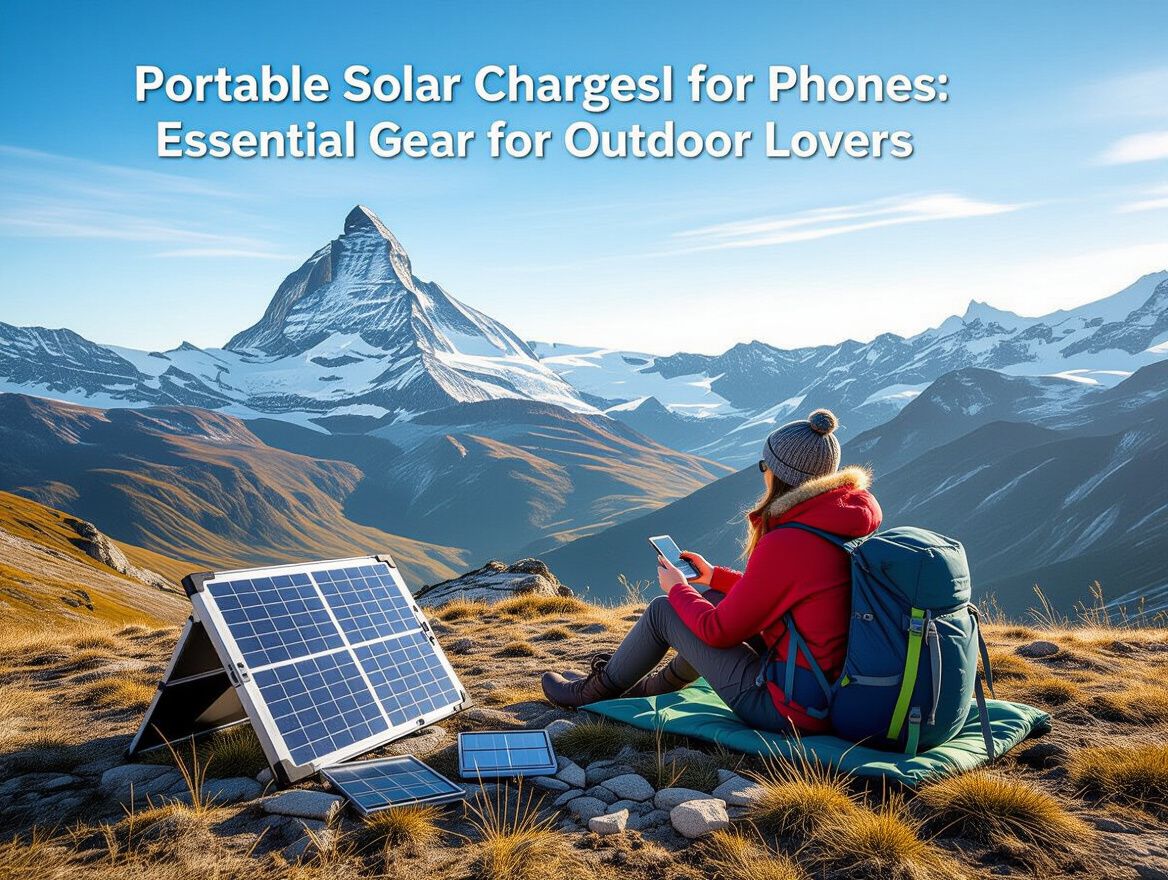
The Ultimate Guide to Portable Solar Battery Chargers
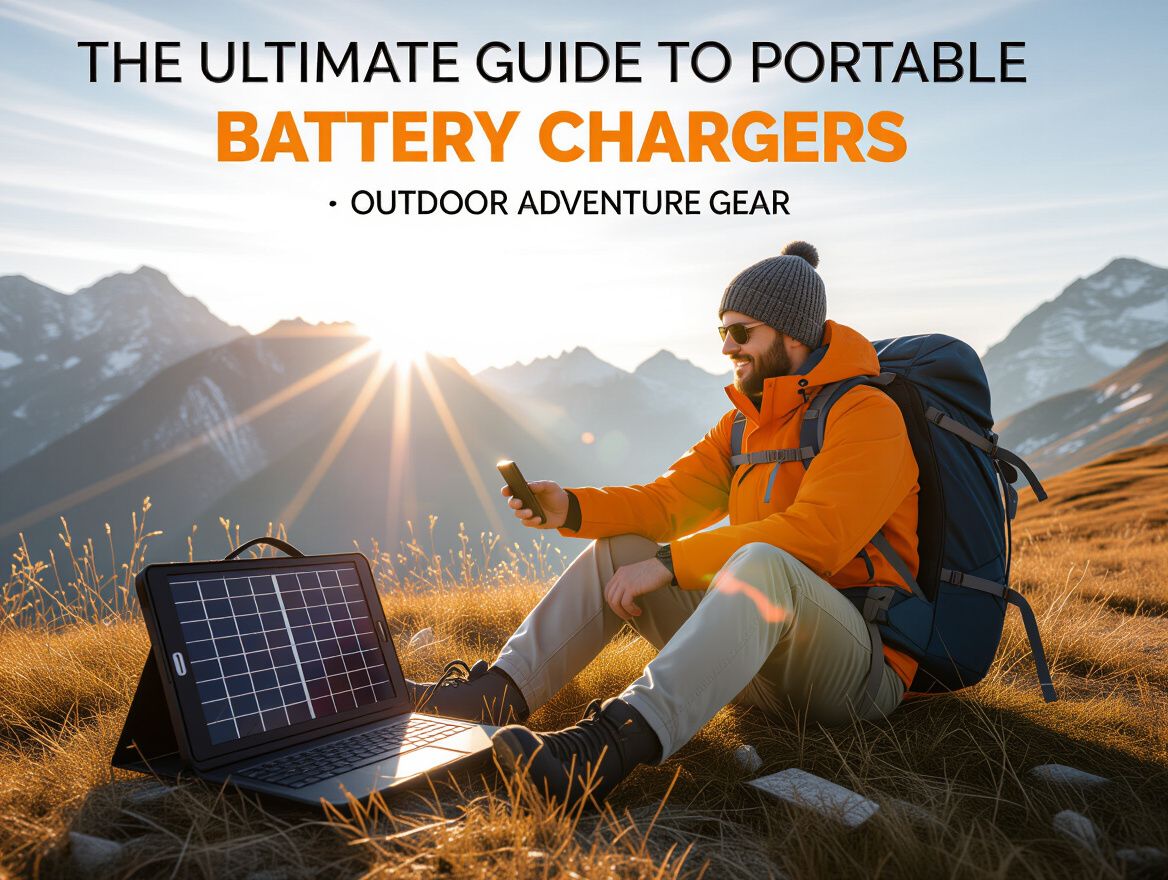
Understanding Portable Solar Battery Chargers
Portable solar battery chargers are compact devices designed to harness solar energy and convert it into electrical power for charging various electronic devices. These chargers are particularly beneficial for outdoor enthusiasts and travelers who require reliable power sources while away from traditional electrical outlets.
Importance for Outdoor Activities
When venturing into the great outdoors, staying connected is essential for navigation, communication, and safety. Portable solar battery chargers provide a sustainable solution to keep devices powered, allowing users to charge smartphones, GPS devices, cameras, and other electronics without relying on grid electricity.
Typical Use Cases
- Camping: Ideal for multi-day trips where access to electricity is limited.
- Hiking: Lightweight options can easily be carried in backpacks, ensuring devices remain charged during long treks.
- Traveling: Useful for international travelers who may not have access to consistent power sources.
- Emergency Preparedness: A reliable backup option in case of power outages or emergencies.
By understanding the key features and applications of portable solar battery chargers, outdoor enthusiasts can select a model that best fits their specific needs and adventure plans.
Key Buying Criteria for Portable Solar Battery Chargers
When selecting a portable solar battery charger for your outdoor adventures, it's essential to evaluate several key features to ensure it meets your specific needs. Here’s a checklist to guide your decision-making process:
-
Battery Capacity and Output: Look for chargers with sufficient capacity (measured in mAh) to power your devices. Consider how many devices you plan to charge and their energy requirements. Higher output (measured in watts) allows for faster charging, which can be crucial when you're on the go.
-
Portability and Weight: Since you'll be carrying this device on outdoor excursions, prioritize lightweight and compact designs. Consider foldable or collapsible models that can easily fit into your backpack without adding significant bulk.
-
Durability and Weather Resistance: Outdoor environments can be harsh. Choose a solar charger made from rugged materials with waterproof or weather-resistant features to withstand rain, dust, and rough handling.
-
Charging Speed and Efficiency: Assess the solar charging efficiency, which indicates how quickly the charger can convert sunlight into usable energy. Look for models with high-efficiency solar panels that can maximize power generation even in less-than-ideal sunlight conditions.
-
Compatibility with Devices: Ensure that the charger is compatible with your devices. Check for multiple output ports (USB, USB-C) and whether it supports the charging protocols needed for your gadgets, such as smartphones, tablets, or cameras.
By weighing these criteria, you can select a portable solar battery charger that not only fits your outdoor lifestyle but also provides reliable power when you need it most.
Trade-offs and Limitations of Portable Solar Battery Chargers
While portable solar battery chargers offer a unique solution for keeping devices powered during outdoor adventures, there are several trade-offs and limitations to consider before making a purchase. Understanding these factors can help outdoor enthusiasts and travelers make informed decisions.
-
Dependence on Sunlight Availability: The effectiveness of solar chargers is heavily reliant on sunlight. In overcast conditions or shaded areas, charging rates can significantly drop, potentially leaving you without power when you need it most.
-
Longer Charging Times: Compared to traditional chargers, solar battery chargers typically take longer to fully charge devices. This can be a critical drawback if you need a quick power boost for your devices.
-
Durability Concerns: Many portable solar chargers are designed for outdoor use, but extreme conditions—such as heavy rain, high winds, or extreme temperatures—can affect their performance and longevity. It's essential to assess the build quality and weather resistance of any model you consider.
-
Cost Considerations: While solar chargers can be more environmentally friendly, they often come at a higher initial cost compared to conventional battery chargers. Evaluating whether the investment aligns with your usage and charging needs is crucial.
By weighing these trade-offs, you can better assess whether a portable solar battery charger fits your outdoor activities and power requirements.
Best Use Cases for Portable Solar Battery Chargers
Portable solar battery chargers are increasingly popular among outdoor enthusiasts and travelers for their ability to provide reliable power in various scenarios. Understanding the best use cases for these devices can help you make an informed decision that aligns with your specific needs.
Camping and Hiking
When venturing into the wilderness, having a portable solar battery charger can be invaluable. These chargers allow you to keep essential devices, such as GPS units and smartphones, powered without the need for traditional electricity. Key considerations include:
- Capacity: Choose a charger with enough capacity to charge your devices multiple times.
- Weight: Opt for lightweight models to ease your pack load during hikes.
- Durability: Look for rugged designs that can withstand outdoor conditions.
Road Trips and RV Use
For road trips or RV adventures, portable solar chargers can be an excellent solution for keeping devices charged while on the move. They can power anything from laptops to small appliances, but consider the following:
- Portability: Ensure the charger can easily fit in your vehicle without occupying too much space.
- Output Power: Check if the charger can handle the power requirements of your devices.
- Charging Speed: Look for models with fast charging capabilities to minimize downtime.
Emergency Preparedness
In emergencies, having a reliable power source can make a significant difference. Portable solar battery chargers can provide essential power during power outages or natural disasters. Important factors include:
- Reliability: Choose models known for consistent performance in critical situations.
- Ease of Use: Look for user-friendly options that require minimal setup.
- Storage: Consider how easy it is to store and transport the charger when not in use.
Traveling in Remote Areas
Traveling in remote locations often means limited access to power sources. Portable solar battery chargers can be a lifesaver, ensuring your devices remain operational. Points to evaluate include:
- Adaptability: Select chargers that can work in varying weather conditions to maximize utility.
- Versatility: Ensure the charger has multiple output options to accommodate different devices.
- Self-Sufficiency: Opt for models that can generate power independently, reducing reliance on other resources.
By assessing these scenarios and their specific criteria, you can better determine which portable solar battery charger will best meet your outdoor adventure needs.
Frequently Asked Questions About Portable Solar Battery Chargers
What problems do portable solar battery chargers solve?
Portable solar battery chargers provide a reliable power source for outdoor enthusiasts who may not have access to traditional electricity. These chargers are particularly useful for:
- Extended Trips: Keeping devices charged during multi-day adventures.
- Emergency Situations: Ensuring communication devices remain operational during unforeseen circumstances.
- Environmental Concerns: Offering a sustainable energy option, reducing reliance on disposable batteries.
How do I choose the right charger for my needs?
Selecting the right portable solar battery charger involves considering several key factors:
- Capacity: Look for chargers with sufficient capacity (measured in mAh) to meet your device's power requirements.
- Portability: Evaluate the size and weight of the charger, especially if you plan to carry it during hikes or travel.
- Charging Speed: Assess the output wattage to ensure it can charge your devices in a reasonable time.
- Durability: Choose rugged models that can withstand outdoor conditions, including water and dust resistance.
Are there any safety concerns with solar chargers?
While generally safe, there are a few considerations to keep in mind:
- Overheating: Avoid exposing solar chargers to extreme heat, which can affect performance and safety.
- Battery Quality: Ensure the charger uses high-quality batteries to reduce the risk of malfunctions or hazards.
- Compatibility: Verify that the charger is compatible with your devices to prevent damage from incorrect voltage output.
How do solar chargers perform in cloudy weather?
Solar chargers can still function in cloudy conditions, but their efficiency will be reduced. Here are some points to consider:
- Reduced Output: Expect slower charging times due to lower sunlight intensity.
- Backup Options: Consider chargers with dual charging capabilities (solar and wall outlet) for more consistent power supply.
- Location Matters: Positioning the charger to capture any available light can improve performance, even on overcast days.
Understanding these factors can help you make an informed decision when selecting a portable solar battery charger that fits your outdoor needs.
Making the Right Choice for Your Adventure
Choosing the right portable solar battery charger can significantly enhance your outdoor experience by ensuring your devices remain powered. To make an informed decision, consider the following essential criteria:
-
Capacity and Output: Assess the charger's capacity (measured in mAh) against the power requirements of your devices. Look for options that provide sufficient output to charge your devices efficiently.
-
Weight and Portability: If you're hiking or camping, prioritize lightweight models that are easy to carry. A balance between capacity and weight is crucial for maintaining mobility.
-
Charging Speed: Different chargers have varying charging speeds. If you need quick power boosts, look for models with higher wattage outputs.
-
Durability and Weather Resistance: Outdoor conditions can be unpredictable. Choose chargers that are rugged and weather-resistant to withstand the elements.
-
Solar Efficiency: Not all solar panels perform equally. Consider the efficiency ratings of the solar cells to ensure you get the most energy conversion from sunlight.
Matching these criteria to your specific needs is essential. For example, if you're going on a long camping trip, prioritize capacity and durability. Conversely, for a day hike, focus on weight and quick charging capabilities.
As you evaluate your personal usage scenarios, think about where and how often you'll use the charger. Will you need it primarily for overnight camping trips, or do you plan to use it throughout the day during various outdoor activities? Understanding your unique requirements will help you find the best fit.
In summary, portable solar battery chargers can be a reliable solution for keeping your devices powered during outdoor adventures, but careful consideration of your needs and the product features will lead to a more satisfying experience.


More in Portable Solar Chargers
View All
Solar Chargers for Portable Power Stations: What You Need to Know