Essential Cooking Outdoor Gear for Your Next Adventure
Why Outdoor Cooking Gear Matters
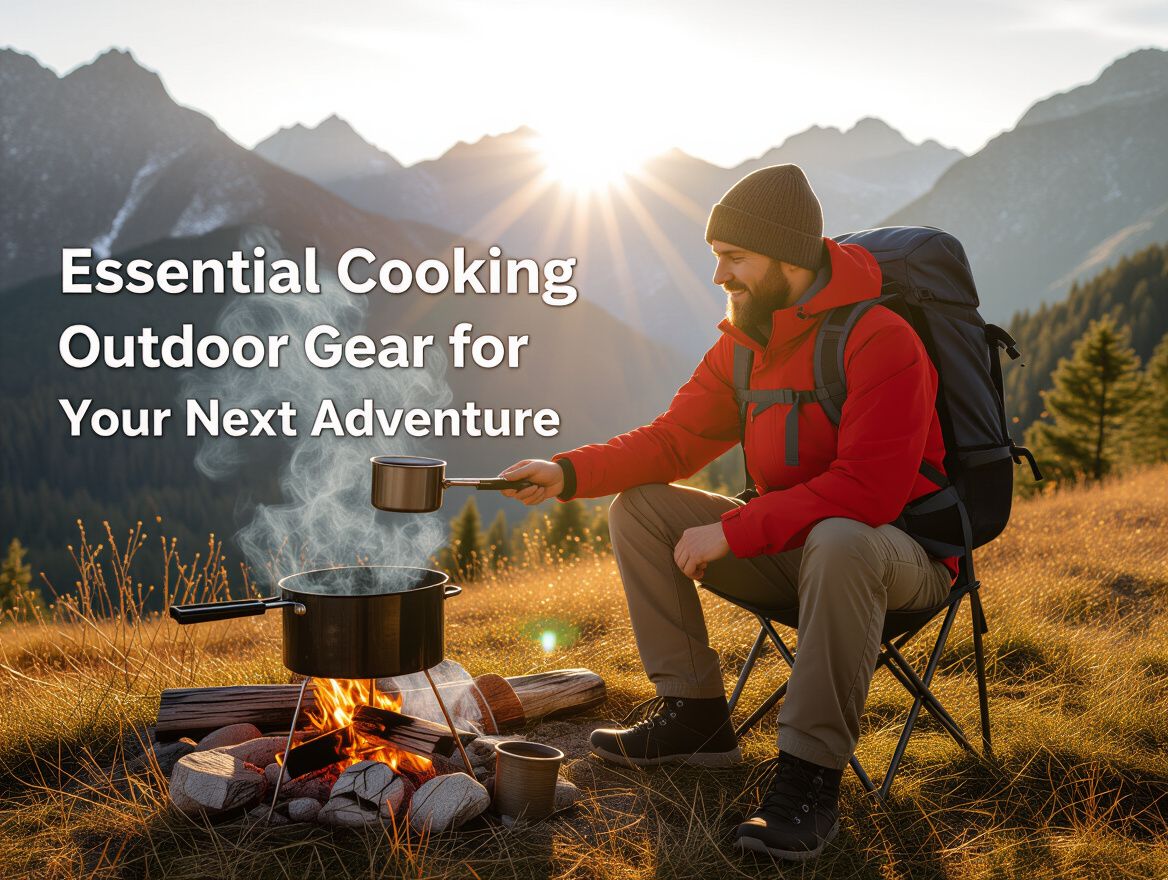
For outdoor cooking enthusiasts, the right gear transforms a simple meal into a memorable experience. Cooking outdoors not only allows for the enjoyment of nature but also enhances the flavors of your food, making it a rewarding activity. However, quality outdoor cooking gear is essential to ensure that your culinary adventures are both enjoyable and successful.
Key Benefits of Quality Outdoor Cooking Gear
- Enhanced Cooking Experience: High-quality gear can elevate your cooking, allowing for better heat distribution, temperature control, and food safety.
- Durability: Outdoor cooking often involves exposure to elements like wind, rain, and uneven terrain. Investing in durable gear ensures it withstands these challenges.
- Convenience: Good outdoor cooking gear simplifies the cooking process, making it easier to prepare meals on the go.
Common Challenges Without Proper Gear
- Inconsistent Cooking: Using subpar equipment can lead to uneven cooking, which may ruin your meals.
- Safety Risks: Poorly designed or low-quality gear can pose safety hazards, such as burns or malfunctioning equipment.
- Limited Meal Options: Without the right tools, you may find yourself restricted to basic meals, missing out on the joys of more complex outdoor cooking.
Choosing the right outdoor cooking gear is crucial for maximizing enjoyment and minimizing potential pitfalls. Understanding your specific needs, the challenges of outdoor cooking, and the benefits of investing in quality products will help you make informed decisions for your next adventure.
Key Features to Look for in Outdoor Cooking Gear
When selecting cooking outdoor gear, it's essential to prioritize features that enhance your cooking experience while accommodating the unique challenges of outdoor environments. Here’s a checklist to guide your decision-making:
-
Portability and Weight Considerations:
- Look for lightweight materials and compact designs that make it easy to carry. Consider gear that can be nested or packed efficiently to save space in your backpack.
-
Durability for Outdoor Conditions:
- Choose gear made from weather-resistant and rugged materials. Stainless steel, aluminum, and high-quality plastics can withstand the rigors of outdoor use, including exposure to elements and rough handling.
-
Ease of Use and Setup:
- Opt for gear that is user-friendly and quick to set up. Features such as intuitive assembly instructions, pre-assembled components, or one-click operations can significantly improve your cooking experience in the wilderness.
-
Cleaning and Maintenance Requirements:
- Consider how easy the gear is to clean after use. Non-stick surfaces and dishwasher-safe components can save time and effort. Additionally, check if the materials resist staining or odors to maintain hygiene during your trips.
By focusing on these key features, you can ensure that your cooking outdoor gear is not only functional but also tailored to meet the demands of your adventures.
Comparing Different Types of Outdoor Cooking Gear
Choosing the right cooking outdoor gear is essential for outdoor enthusiasts who want to enjoy delicious meals while in nature. Each type of cooking gear offers unique advantages and trade-offs that can significantly impact your cooking experience. Understanding these differences can help you select the gear that best fits your needs.
Stoves vs. Grills
-
Stoves: Portable stoves are often compact and designed for quick cooking. They provide precise temperature control, making them ideal for tasks like boiling water or sautéing vegetables. However, they may require fuel canisters, which add weight and bulk to your pack.
-
Grills: Grills can offer a more authentic outdoor cooking experience, perfect for grilling meats and vegetables. They often provide a larger cooking surface but can be heavier and less portable than stoves. Consider the grill's fuel type—charcoal, propane, or wood—as this will influence portability and flavor.
Campfire Cooking vs. Portable Cooking Gear
-
Campfire Cooking: Cooking over an open flame allows for a rustic experience and often enhances the flavor of food. However, it requires access to firewood and can be subject to weather conditions. Additionally, campfire cooking demands more skill in managing heat and cooking times.
-
Portable Cooking Gear: Options like compact propane stoves or portable grills offer convenience and control. They are generally quicker to set up and can be used in a wider range of environments. However, they may not provide the same flavor profile as traditional campfire cooking.
The Role of Utensils and Accessories
No cooking gear is complete without the right utensils and accessories. Essential items include:
- Cookware: Lightweight pots and pans are crucial for efficient cooking. Look for materials like titanium or aluminum for durability and weight savings.
- Utensils: Spatulas, knives, and cutting boards can make meal prep easier. Consider multi-tools that combine several functions to minimize pack weight.
- Cleaning Supplies: Having a small sponge and biodegradable soap can simplify cleanup and ensure you leave no trace.
Trade-offs and Considerations
When selecting outdoor cooking gear, consider the following factors:
- Weight vs. Functionality: Heavier gear might offer more cooking options but can be burdensome on long hikes.
- Ease of Use: Some gear may require more setup time or cooking knowledge, which can be a disadvantage for beginners.
- Environmental Impact: Be mindful of the gear you choose and its impact on the environment, especially when it comes to fuel sources and waste.
Understanding these various types of outdoor cooking gear and their respective trade-offs will help you make an informed decision that aligns with your cooking preferences and outdoor adventures.
Potential Risks and Trade-offs of Outdoor Cooking Gear
When selecting cooking outdoor gear for your adventures, it's essential to understand the potential risks and trade-offs associated with different types of equipment. Here are some critical considerations to keep in mind:
Limitations of Specific Gear Types
- Weight and Portability: While larger cooking setups may offer more features, they can be cumbersome to transport. Consider lightweight options if you plan to hike long distances.
- Fuel Dependency: Some cooking gear requires specific fuel types (like propane or butane), which can be a limitation if you can't find refills in remote areas.
- Temperature Control: Not all gear provides the same level of temperature control, which can affect cooking times and food safety.
Safety Concerns
- Fire Hazards: Using open flames or hot surfaces in outdoor settings poses a fire risk. Always ensure you have a safe cooking area and know how to extinguish any potential fires.
- Carbon Monoxide Poisoning: Certain cooking devices, especially those that burn fuel, can produce harmful gases. Always cook in well-ventilated areas to minimize this risk.
- Burns and Cuts: Handling hot equipment or sharp utensils without proper care can lead to injuries. Use protective gear and be mindful of your surroundings.
Environmental Impact and Gear Disposal
- Waste Generation: Many outdoor cooking gear items, especially disposable ones, can contribute to environmental degradation. Opt for reusable items when possible.
- Resource Consumption: Consider the materials used in your cooking gear. Some products may have a higher environmental footprint due to their manufacturing processes.
- Disposal Concerns: When your gear reaches the end of its life, think about how to dispose of it responsibly. Research recycling options or ways to repurpose old equipment to minimize waste.
Understanding these risks and trade-offs can help you make informed decisions about which cooking outdoor gear is best suited for your adventures, ensuring a safer and more enjoyable experience.
Frequently Asked Questions About Outdoor Cooking Gear
Outdoor cooking gear can be a vital part of any adventure, but many enthusiasts have questions about what to choose and how to maintain their equipment. Here are some of the most common queries related to outdoor cooking gear.
What gear is best for beginners?
For those new to outdoor cooking, the essentials typically include:
- Portable stove: A simple camp stove is easy to use and offers versatility.
- Cookware: Lightweight pots and pans designed for camping can help you prepare a variety of meals.
- Utensils: Basic utensils like spatulas, tongs, and knives are necessary for food preparation.
- Cooler: A reliable cooler can keep ingredients fresh and safe.
Beginners should focus on multi-functional gear to maximize their cooking capabilities while minimizing the amount of gear they carry.
How to maintain outdoor cooking gear?
Proper maintenance can extend the lifespan of your cooking gear. Here are some key tips:
- Clean after each use: Remove food residues and wash with mild soap and water.
- Dry thoroughly: Ensure all components are completely dry to prevent rust and corrosion.
- Store properly: Use protective cases or bags to avoid scratches and damage during transport.
- Check for wear: Regularly inspect items for any signs of damage, such as cracks in cookware or leaks in coolers.
What are the best materials for outdoor cooking?
Selecting the right materials is crucial for durability and performance. Consider these options:
- Stainless steel: Highly durable and resistant to rust, making it suitable for various cooking tasks.
- Aluminum: Lightweight and great for heat conduction, though it may scratch easily.
- Cast iron: Excellent for heat retention and versatility, but it requires more maintenance to prevent rust.
- Silicone: Ideal for utensils and mats, as it is flexible, heat-resistant, and easy to clean.
By understanding these aspects, outdoor cooking enthusiasts can make informed decisions about their gear, ensuring a successful and enjoyable cooking experience in nature.
Making the Right Choice for Your Outdoor Cooking Needs
When selecting cooking outdoor gear, it’s essential to align your choices with your personal cooking style, group size, and budget. Each of these factors plays a critical role in ensuring that your outdoor cooking experience is enjoyable and efficient.
Evaluating Personal Cooking Styles and Preferences
- Cooking Techniques: Consider whether you prefer grilling, boiling, or frying. Different gear supports different methods, so understanding your preferred techniques will help narrow your options.
- Meal Complexity: If you enjoy preparing elaborate meals, you might need more versatile gear, such as multi-burner stoves or portable ovens. For simple meals, a compact stove may suffice.
Considering Group Size and Cooking Capacity
- Group Size: The number of people you plan to cook for directly impacts your gear choice. Larger groups may require larger cooking surfaces or multiple cooking units to ensure everyone is fed in a timely manner.
- Cooking Capacity: Evaluate the gear's capacity to handle your meal portions. Gear with higher capacities can be a better investment for larger gatherings, while smaller gear may be more practical for solo trips or small groups.
Budget Considerations and Value for Money
- Initial Costs vs. Long-Term Value: While it might be tempting to go for the cheapest option, consider the durability and efficiency of the gear. Investing in higher-quality gear can save money in the long run by reducing replacement costs.
- Additional Costs: Factor in the cost of fuel, maintenance, and any additional accessories you may need. This comprehensive view will help you understand the true cost of your outdoor cooking setup.
By carefully considering these criteria, you can make an informed decision that best fits your outdoor cooking needs, ensuring a successful and enjoyable cooking experience in the great outdoors.
Ready to Cook Outdoors?
Choosing the right cooking outdoor gear is vital for enhancing your culinary experiences in nature. As you prepare for your next adventure, consider that the right equipment not only improves your cooking but also ensures safety and convenience.
Key Considerations for Your Gear Selection
- Functionality: Assess whether the gear meets your cooking style, whether you're grilling, boiling, or baking. Different methods may require specific tools.
- Portability: Evaluate the weight and size of your gear, especially if you're hiking to your cooking site. Compact options may be more suitable for longer treks.
- Durability: Look for materials that can withstand outdoor conditions, including extreme temperatures and rough handling. This ensures longevity and reliability during your adventures.
Trade-offs to Keep in Mind
- Cost vs. Quality: While higher-priced gear often offers better durability and performance, it’s essential to balance your budget with your cooking needs.
- Complexity vs. Simplicity: Some gear is designed for gourmet cooking but may require more skill and preparation time. Consider your cooking experience and the time you have available.
- Multi-functionality: Gear that serves multiple purposes can save space and weight, but ensure it performs adequately in each function to avoid compromising your cooking quality.
Embarking on outdoor cooking adventures can be incredibly rewarding, from the joy of preparing meals in nature to the satisfaction of sharing them with friends and family. As you explore your options, remember that the right cooking gear is essential for a successful and enjoyable experience.