Why You Need Portable Solar Powered Chargers for Outdoor Activities
The Importance of Staying Charged During Outdoor Activities
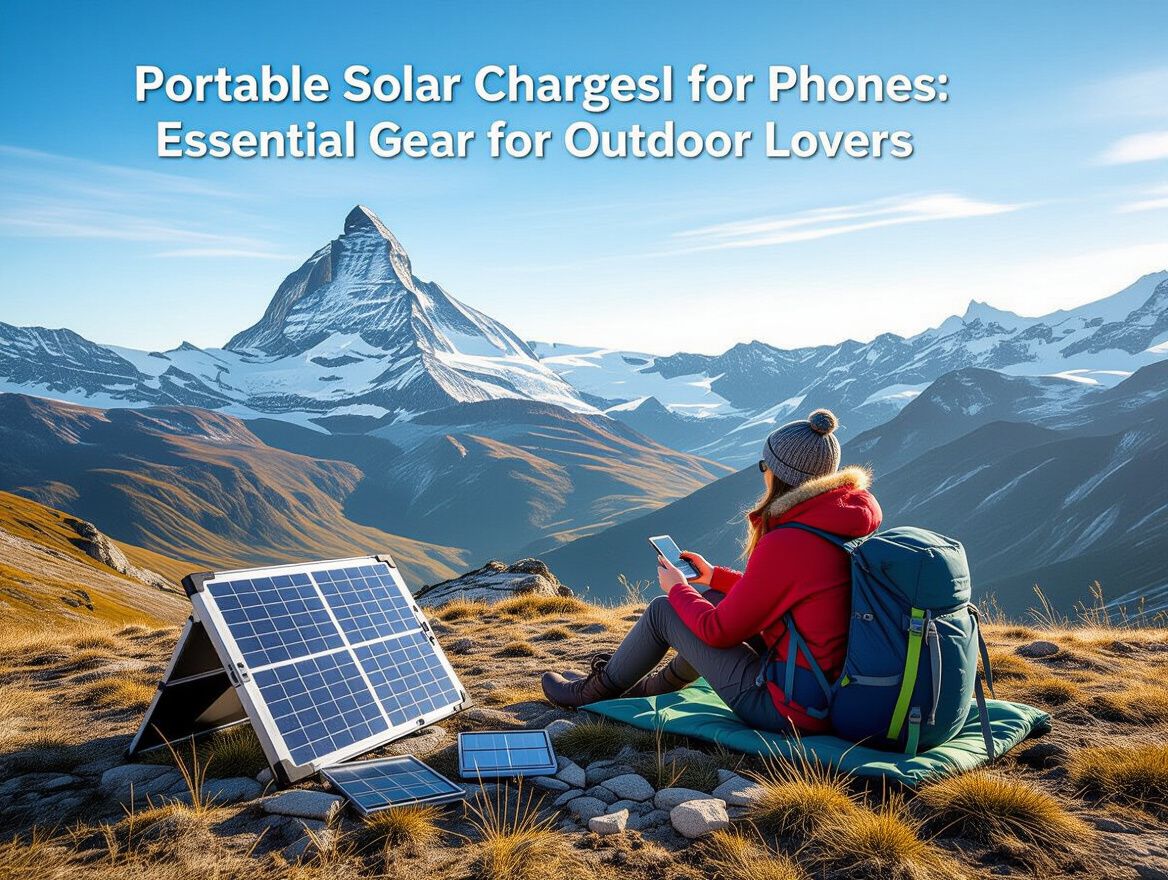
Engaging in outdoor activities—whether hiking, camping, or exploring off-the-grid locations—often requires reliable power solutions to keep your devices charged. Portable solar powered chargers emerge as an essential tool for outdoor enthusiasts, allowing you to maintain connectivity, navigate through unfamiliar terrain, and capture memories without worrying about battery life.
Benefits of Portable Solar Powered Chargers:
- Sustainability: These chargers harness solar energy, making them an eco-friendly option compared to traditional battery packs.
- Versatility: They can charge a variety of devices, including smartphones, GPS devices, and cameras, catering to different outdoor needs.
- Independence: With solar chargers, you are not reliant on access to electrical outlets, enabling you to venture further into nature without power concerns.
However, it's important to consider specific criteria when choosing a portable solar powered charger. Factors such as charging speed, battery capacity, and durability can significantly impact your outdoor experience. Additionally, understanding the trade-offs—like efficiency in cloudy weather or the weight of the charger—can help you select a product that best fits your adventure goals.
By prioritizing these features and considerations, outdoor enthusiasts can ensure they remain powered up and connected, enhancing their overall experience in nature.
Key Features to Consider in Portable Solar Powered Chargers
When selecting a portable solar powered charger for your outdoor adventures, it's essential to evaluate specific features that can significantly impact your experience. Here’s a checklist of the key criteria to guide your decision:
-
Charging Capacity and Output:
- Look for chargers with a higher wattage output, as they can charge devices faster. Consider your typical power needs based on the devices you plan to charge (e.g., smartphones, tablets, or GPS devices).
-
Portability and Weight:
- Choose a lightweight and compact design that fits easily into your backpack. Weigh the trade-off between size and charging capacity; larger panels may provide more power but can be bulkier.
-
Durability and Weather Resistance:
- Opt for models made from rugged materials that can withstand outdoor conditions. Check for an IP rating (Ingress Protection) to ensure resistance to water and dust, which is crucial for camping or hiking.
-
Compatibility with Devices:
- Ensure the charger has multiple output ports and is compatible with a variety of devices. Look for chargers that support USB-C, micro USB, and standard USB connections for versatility.
By considering these features, you can make a more informed choice that aligns with your outdoor activity needs, ensuring you stay powered throughout your adventures.
Understanding Trade-offs When Choosing a Charger
When selecting a portable solar powered charger for outdoor activities, it's essential to weigh the trade-offs against traditional power banks and other charging solutions. Here are key considerations to guide your decision-making:
-
Charging Efficiency and Sunlight Availability: Unlike conventional power banks that can be charged from any power outlet, solar chargers rely on sunlight for energy. This means their efficiency can vary significantly based on weather conditions and the time of day. If you're in a shaded area or experiencing cloudy weather, the charging rate may be drastically reduced, potentially leaving you without power when you need it most.
-
Price vs. Performance: Portable solar powered chargers can range widely in price, often influenced by their wattage, efficiency, and additional features such as built-in batteries or multiple USB ports. While higher-priced models may offer better performance and durability, it’s important to assess whether these features align with your specific usage. Consider how often you’ll rely on solar charging versus traditional methods, as this can affect the overall value of your investment.
-
Size and Portability: Solar chargers come in various sizes, including foldable panels and compact units. While larger models may capture more sunlight and charge devices faster, they can also be bulkier and heavier to carry. Evaluate your outdoor activities—if you're backpacking, a lightweight, portable option might be more suitable, whereas car camping could allow for a larger, more powerful charger.
-
Durability and Environmental Resistance: Outdoor conditions can be harsh, so durability is a crucial factor. Many portable solar chargers are designed to withstand elements like water and dust, but not all are created equal. Assess the materials and build quality to ensure your charger can endure the rigors of your adventures.
By understanding these trade-offs, you can make a more informed choice about which portable solar powered charger will best meet your needs during outdoor activities.
Evaluating Fit for Your Outdoor Needs
When selecting a portable solar powered charger, understanding your specific outdoor activity requirements is crucial. Different activities demand varying power levels and features, influencing which charger will best suit your needs.
Camping vs. Hiking Needs
- Camping: Typically involves longer stays in one location, allowing for larger solar panels and integrated batteries. Look for chargers that can store energy for use at night or during cloudy days.
- Hiking: Requires lightweight, compact options that can easily fit into a backpack. Consider chargers that can directly power devices like GPS units or smartphones while on the move.
Day Trips vs. Extended Excursions
- Day Trips: Shorter outings may only require a charger with minimal capacity. A small, portable unit that can recharge devices quickly is often sufficient.
- Extended Excursions: Longer adventures necessitate chargers with higher capacities and larger solar panels, enabling continuous power generation and storage for multiple device charges.
Device Charging Needs Based on Activity Type
- Electronics: Identify the devices you plan to charge. Smartphones may require less power than tablets or cameras, influencing the wattage and output options you'll need.
- Power Requirements: Check the wattage needs of your devices. Some chargers are designed specifically for lower power devices, while others can handle more demanding electronics.
By evaluating these factors, you can better determine which portable solar powered charger aligns with your outdoor activities, ensuring you stay powered up no matter where your adventures take you.
Potential Risks and Limitations of Solar Chargers
While portable solar powered chargers offer numerous benefits for outdoor enthusiasts, they are not without their risks and limitations. Understanding these factors is crucial for making an informed decision before relying on them during your adventures.
-
Dependence on Weather Conditions: The efficiency of solar chargers is heavily influenced by weather. Overcast skies or rain can significantly reduce their ability to generate power. If your outdoor activity coincides with poor weather, you may find the charger less effective than anticipated.
-
Potential for Slower Charging Times: Compared to traditional chargers that draw power from wall outlets, solar chargers can take longer to charge devices. This slower charging speed can be a disadvantage if you need a quick boost for your devices, especially during multi-day trips where time is of the essence.
-
Durability Issues in Extreme Environments: Although many solar chargers are designed to withstand outdoor conditions, they can still be vulnerable to damage in harsh environments. Extreme temperatures, moisture, and rough handling can affect their longevity and performance. It's essential to consider the specific conditions of your outdoor activities and choose a charger that can endure them.
By weighing these potential risks and limitations against the benefits, outdoor enthusiasts can better assess whether portable solar powered chargers will meet their power needs effectively during their excursions. Understanding these trade-offs can guide you in selecting a charger that aligns with your specific outdoor requirements.
Frequently Asked Questions About Portable Solar Powered Chargers
As outdoor enthusiasts consider portable solar powered chargers for their adventures, several common questions arise regarding their functionality and effectiveness. Here are answers to some of the most frequently asked questions:
What buyer problem do portable solar powered chargers solve?
Portable solar powered chargers address the crucial need for reliable power in remote locations where traditional charging options are unavailable. They enable users to keep essential devices charged—such as smartphones, GPS units, and cameras—allowing for navigation, communication, and documentation during outdoor activities. This independence from electrical outlets enhances the freedom to explore off-the-beaten-path destinations without the constant worry of battery depletion.
How long does it take to charge devices?
Charging times for devices using portable solar powered chargers can vary widely based on several factors, including the charger's output wattage, the capacity of the device's battery, and the intensity of sunlight. Generally, a solar charger may take several hours to fully charge a smartphone, while larger devices like tablets may require longer. It's important to plan accordingly, especially during extended outdoor trips, and consider that charging efficiency decreases on cloudy days or in shaded areas.
Are solar chargers effective in cloudy weather?
While portable solar powered chargers do work in cloudy weather, their efficiency is significantly reduced compared to sunny conditions. Solar panels rely on direct sunlight to generate power, so overcast skies can lead to slower charging times. If your outdoor activities are likely to occur in variable weather, it's wise to have backup power solutions or a charger with a built-in battery that can store energy for later use. Understanding these limitations can help you better prepare for your adventures and ensure you have a reliable power source regardless of weather conditions.
Making the Right Choice for Your Outdoor Adventures
Selecting the appropriate portable solar powered charger for your outdoor activities involves understanding your unique needs and the specific features of available chargers. Here’s a summary of essential considerations to help guide your decision-making process.
Key Features to Consider:
-
Charging Efficiency: Assess how quickly the charger can replenish your devices. Some models may perform better in direct sunlight, while others may struggle in overcast conditions.
-
Battery Storage: Look for chargers with built-in batteries that can store energy for later use. This feature is particularly useful for extended trips where sunlight may not be consistently available.
-
Durability: Ensure the charger can withstand outdoor conditions. Check for features like shock resistance and water resistance to avoid damage during your adventures.
Trade-offs to Weigh:
-
Size vs. Power: Larger solar panels often provide more power but can be cumbersome to carry. Consider your balance between portability and charging capacity based on your planned activities.
-
Cost vs. Features: Higher-priced models may offer advanced features such as multiple ports or faster charging speeds. Evaluate whether these features align with your usage patterns.
Risks and Limitations:
-
Dependence on Weather: Solar chargers can be less effective during cloudy or rainy conditions. Be prepared with alternative charging solutions if your trip may encounter poor weather.
-
Charging Time: While solar chargers can be convenient, they may take longer to charge devices compared to traditional chargers. Factor this into your planning, especially if you need quick access to power.
Before making a purchase, take time to assess your outdoor requirements, including the types of devices you’ll be charging, the length of your trips, and the weather conditions you expect to encounter. Doing so will empower you to choose a portable solar powered charger that best meets your adventure needs.
More in Portable Solar Chargers
View All
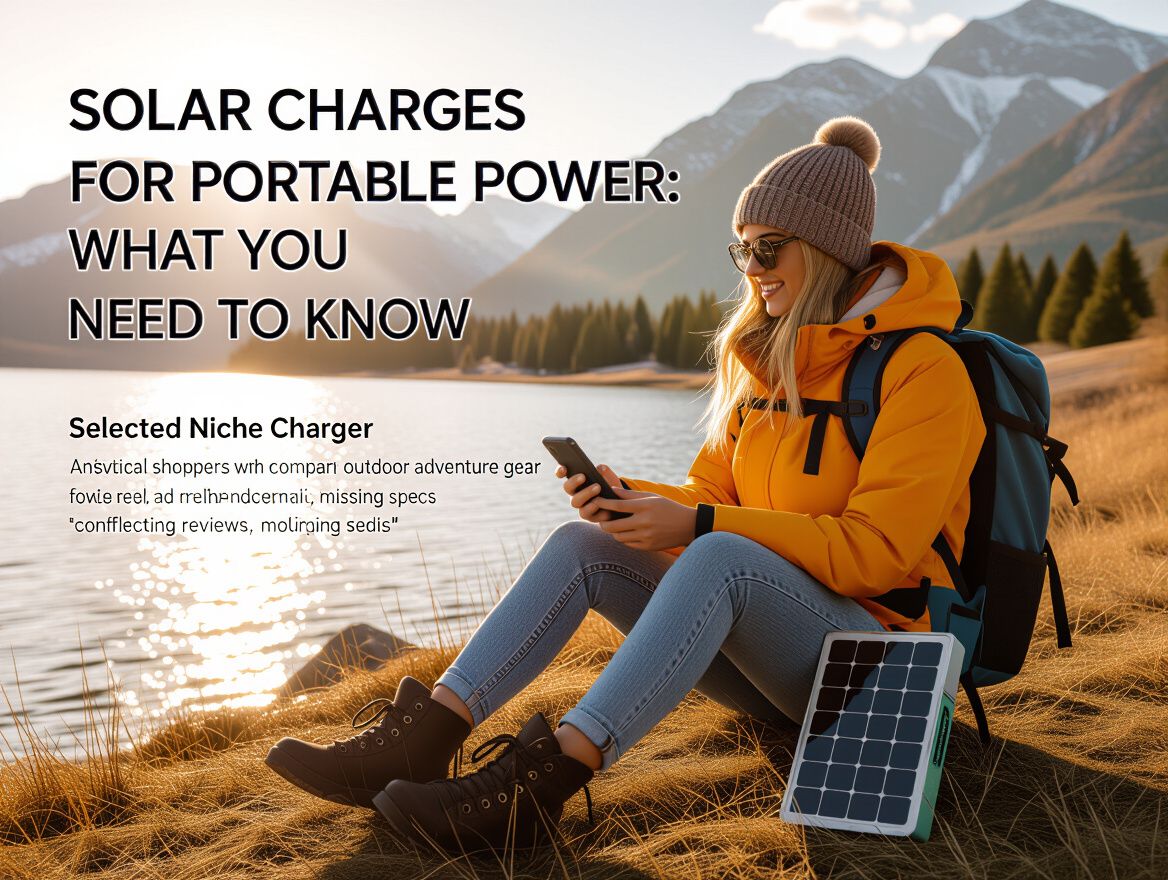
Solar Chargers for Portable Power Stations: What You Need to Know