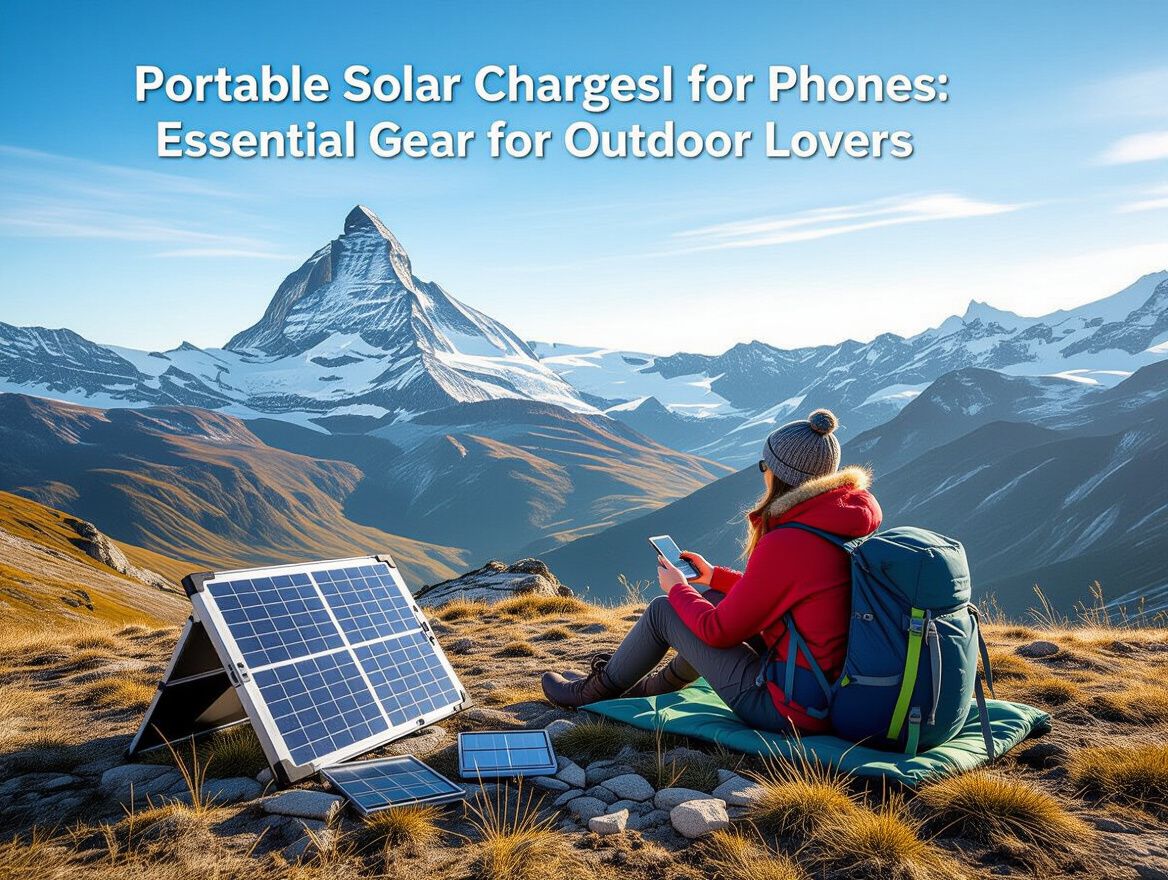
Top Portable Solar Power Chargers for Your Next Camping Trip
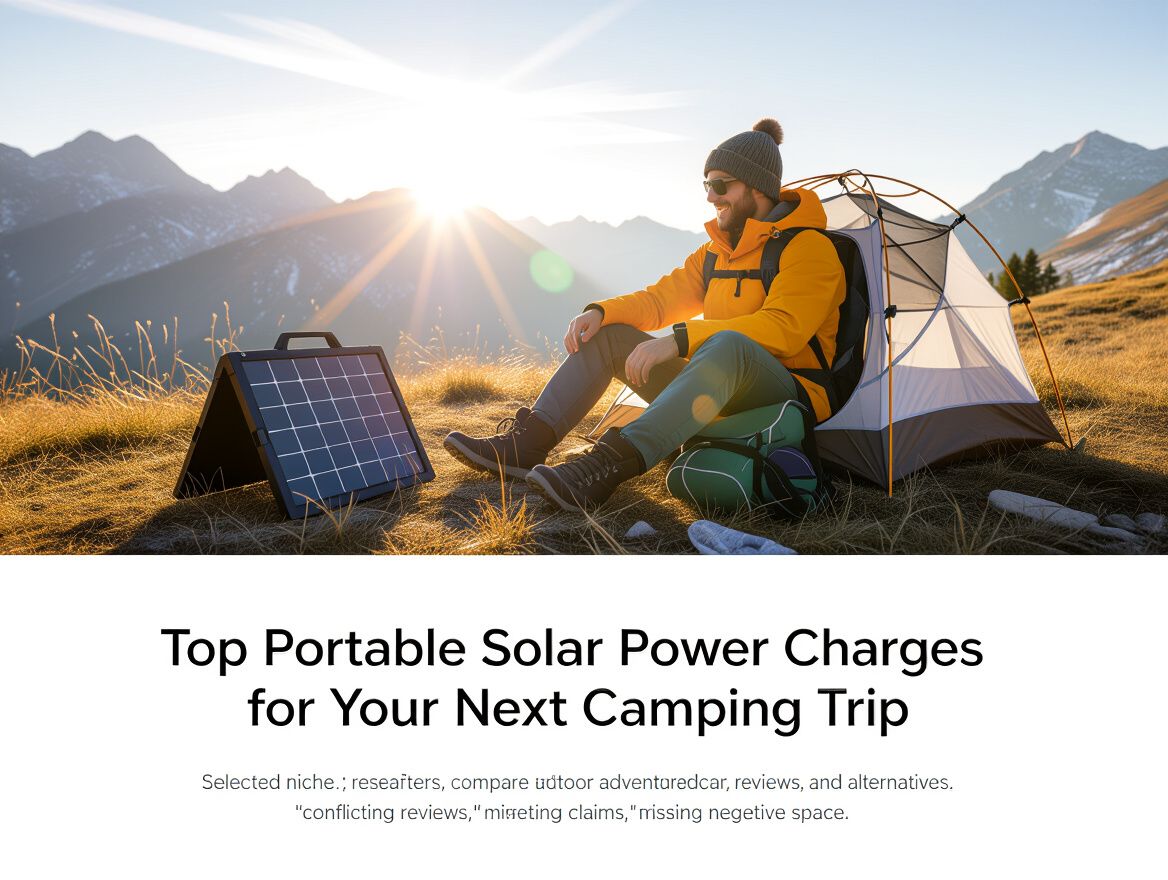
Why You Need a Portable Solar Power Charger for Camping
When embarking on a camping trip, staying connected and powered up is essential. Portable solar power chargers offer a sustainable solution to meet your energy needs without relying on traditional power sources. Here’s why they are a great addition to your outdoor gear:
-
Sustainability: Solar chargers harness the sun's energy, making them an eco-friendly option. Using renewable energy reduces your carbon footprint while enjoying nature.
-
Reliability: Camping often takes you far from electrical outlets. A portable solar power charger ensures you can keep devices like phones, GPS units, and cameras powered, enhancing your safety and enjoyment.
-
Versatility: Many portable solar chargers are designed to work with various devices. Whether you need to charge a smartphone, tablet, or small electronic gadget, these chargers can accommodate multiple power needs.
-
Cost-Effective: While the initial investment in a solar charger may be higher than traditional chargers, the long-term savings on battery replacements and the elimination of fuel costs for generators can be significant.
In conclusion, a portable solar power charger not only supports your need for power while camping but also aligns with sustainable practices, making it a practical choice for outdoor enthusiasts.
Key Features to Look for in Portable Solar Power Chargers
When selecting a portable solar power charger for outdoor activities, understanding the essential features can significantly enhance your experience. Here’s a checklist of key attributes to evaluate:
-
Power Capacity and Output Options: Look for chargers with sufficient wattage to meet your device's needs. Higher capacity chargers can power multiple devices simultaneously, but consider the trade-off between power and portability. Check for various output options (USB, AC, DC) to ensure compatibility with your gear.
-
Portability and Weight Considerations: For camping and hiking, the size and weight of the charger are crucial. Opt for lightweight, compact models that are easy to carry. However, be aware that smaller units may have limited power capacity.
-
Durability and Weather Resistance: Outdoor environments can be harsh. Choose a charger that is rugged and designed to withstand elements like rain, dust, and extreme temperatures. Look for features such as reinforced casing or IP ratings that indicate water and dust resistance.
-
Charging Speed and Efficiency: Evaluate how quickly the charger can convert sunlight into usable energy. Some chargers feature advanced technology that enhances efficiency, allowing for faster charging times. Keep in mind that performance may vary based on weather conditions and sunlight exposure.
By considering these features, you can better assess which portable solar power charger aligns with your outdoor needs, balancing performance, convenience, and durability for your next camping trip.
Understanding the Trade-offs of Different Solar Charger Types
When considering portable solar power chargers for outdoor activities, understanding the various types available can significantly influence your decision. Different scenarios call for specific features, and knowing the trade-offs between these options can help you select the best fit for your needs.
Foldable vs. Rigid Solar Panels
- Foldable Solar Panels: These chargers are typically lightweight and highly portable, making them ideal for backpacking or camping where space is limited. They can easily be packed away and set up as needed.
- Rigid Solar Panels: While often heavier and bulkier, rigid panels generally offer higher efficiency and durability. They may be better suited for car camping or stationary setups where weight and size are less of a concern.
Integrated Battery vs. Direct Charging
- Integrated Battery Systems: These chargers store energy in a built-in battery, allowing you to charge your devices even when the sun isn’t shining. This feature can be advantageous for extended trips where sunlight may be inconsistent.
- Direct Charging: Chargers without batteries provide immediate power to devices when exposed to sunlight. They are lighter and often more affordable but require sunlight to function, which may limit their usability in certain conditions.
Price vs. Performance Considerations
- Budget-Friendly Options: Lower-priced models may lack efficiency or durability, potentially leading to frustration if they fail to charge devices adequately.
- High-Performance Models: Investing in a higher-priced solar charger can yield better efficiency, faster charging times, and longer lifespans, making them more reliable for frequent outdoor use. However, consider whether the added features justify the cost based on your usage patterns.
In summary, each type of portable solar power charger has distinct advantages and trade-offs. Assessing your specific outdoor scenarios, such as the length of your trips, the devices you need to charge, and your budget, will help guide you toward the most suitable option for your adventures.
Potential Risks and Limitations of Portable Solar Power Chargers
While portable solar power chargers offer a convenient way to keep devices powered during outdoor activities, there are several risks and limitations to consider before making a purchase. Understanding these factors can help outdoor enthusiasts make informed decisions.
-
Weather Dependency and Performance Variability: The efficiency of solar chargers is heavily reliant on weather conditions. Overcast days or locations with limited sunlight can significantly reduce charging capacity. It’s essential to assess the average weather conditions of your camping destination and plan accordingly.
-
Charging Limitations in Low Sunlight Conditions: In situations where sunlight is scarce, such as early mornings or late afternoons, solar chargers may not provide adequate power. This limitation can hinder the ability to charge multiple devices or larger batteries, especially during extended outdoor trips.
-
Battery Life and Degradation Over Time: Like all rechargeable batteries, the batteries in solar chargers can degrade over time, impacting their performance. Users should be aware that frequent charging cycles, especially under less-than-ideal conditions, can accelerate this degradation. Regular maintenance and proper storage can help extend battery life, but it's a factor worth considering.
By weighing these risks and limitations, outdoor enthusiasts can better evaluate whether a portable solar power charger aligns with their specific needs and camping scenarios.
Frequently Asked Questions About Portable Solar Power Chargers
When considering portable solar power chargers for camping and outdoor activities, it's essential to address common questions that can influence your decision-making process.
What can I charge with a portable solar power charger?
Portable solar power chargers are versatile and can typically charge a variety of devices, including:
- Smartphones and tablets
- GPS devices
- Cameras and drones
- Small laptops and portable gaming consoles
- Power banks for additional storage
Always check the output specifications of the charger to ensure compatibility with your devices.
How do I maintain my solar charger?
Proper maintenance can extend the life of your portable solar power charger:
- Clean the solar panels: Dust and debris can reduce efficiency. Use a soft cloth to gently clean the surface.
- Store correctly: When not in use, keep the charger in a cool, dry place away from direct sunlight to prevent damage.
- Check connections: Regularly inspect cables and connectors for wear and tear, replacing them as needed to ensure optimal performance.
Are there any safety concerns?
While portable solar chargers are generally safe, consider these precautions:
- Avoid overcharging: Some chargers may not have built-in protection against overcharging. Monitor your devices while charging.
- Temperature sensitivity: Extreme temperatures can affect performance. Avoid using the charger in very hot or cold conditions.
- Water resistance: Ensure your charger is rated for outdoor use, especially if you expect rain or moisture. Water damage can compromise functionality.
By understanding these aspects, you can make a more informed decision about which portable solar power charger best fits your outdoor needs.
Making the Right Choice for Your Outdoor Adventures
When selecting a portable solar power charger for your camping trips, it's essential to consider several critical features and personal needs to ensure a reliable power solution. Here’s a recap of what to keep in mind:
-
Power Output: Evaluate the wattage and amperage to ensure it meets your device charging requirements. Higher output is crucial for power-hungry devices like tablets and laptops.
-
Portability: Check the size and weight of the charger. A lightweight and compact design is preferable for hiking and backpacking, while larger units might offer more power but can be cumbersome.
-
Durability: Look for rugged designs that can withstand outdoor elements. Water-resistant and shockproof features can enhance longevity during your adventures.
-
Charging Speed: Understand the charging efficiency. Some chargers may take longer to recharge devices, which can be a disadvantage if you're short on time.
-
Compatibility: Ensure the charger is compatible with your devices, including smartphones, cameras, and other electronics. Multiple output ports can be beneficial for charging several devices simultaneously.
-
Solar Panel Efficiency: Investigate the solar panel technology used. More efficient panels can convert sunlight into power more effectively, which is especially important in variable weather conditions.
-
Battery Storage: Consider chargers with built-in battery storage. This feature allows you to store energy during the day and use it at night or during cloudy weather.
As you prepare for your next outdoor adventure, take the time to evaluate your specific needs against these criteria. Think about the types of devices you'll be powering, the duration of your trips, and the environments you'll encounter. By aligning your requirements with the features of portable solar power chargers, you can make a more informed decision that enhances your camping experience.
More in Portable Solar Chargers
View All
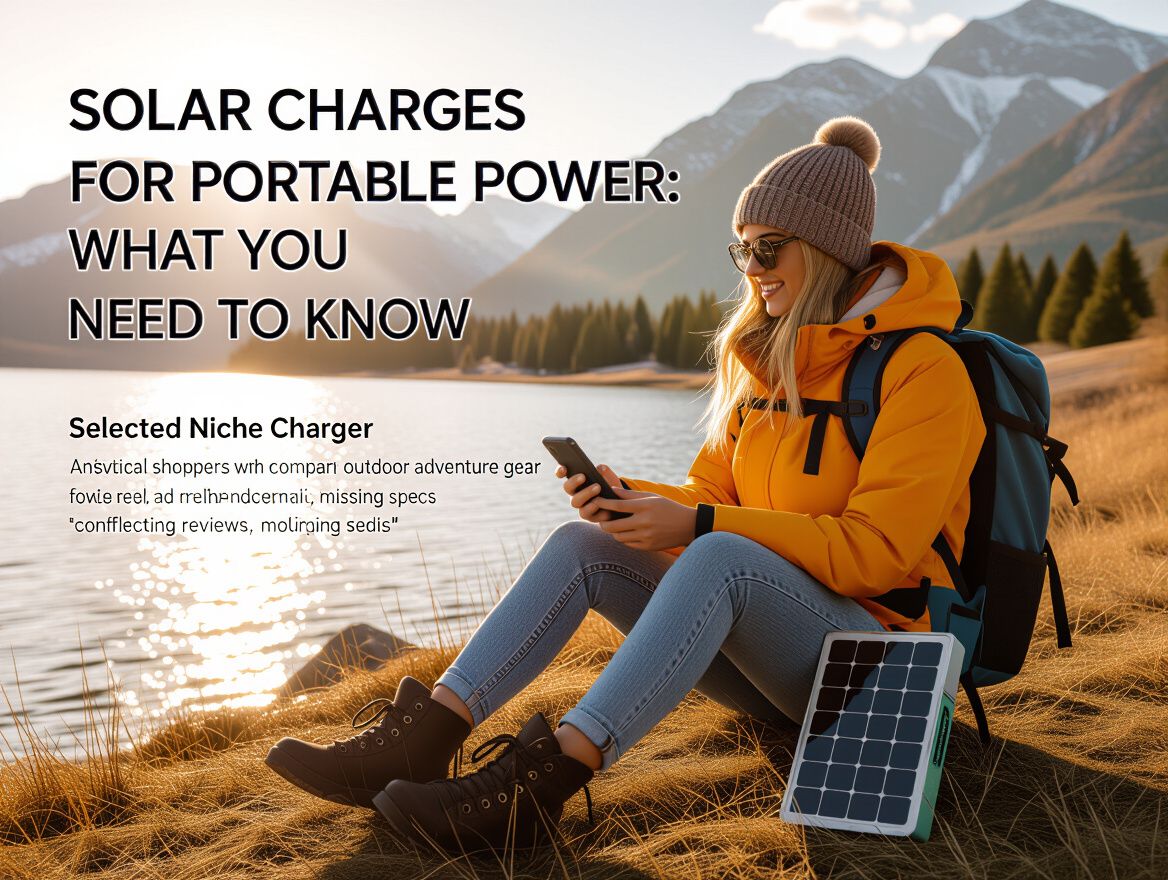
Solar Chargers for Portable Power Stations: What You Need to Know