Top 5 Portable Car Battery Jump Starters for Every Driver

Understanding Portable Car Battery Jump Starters
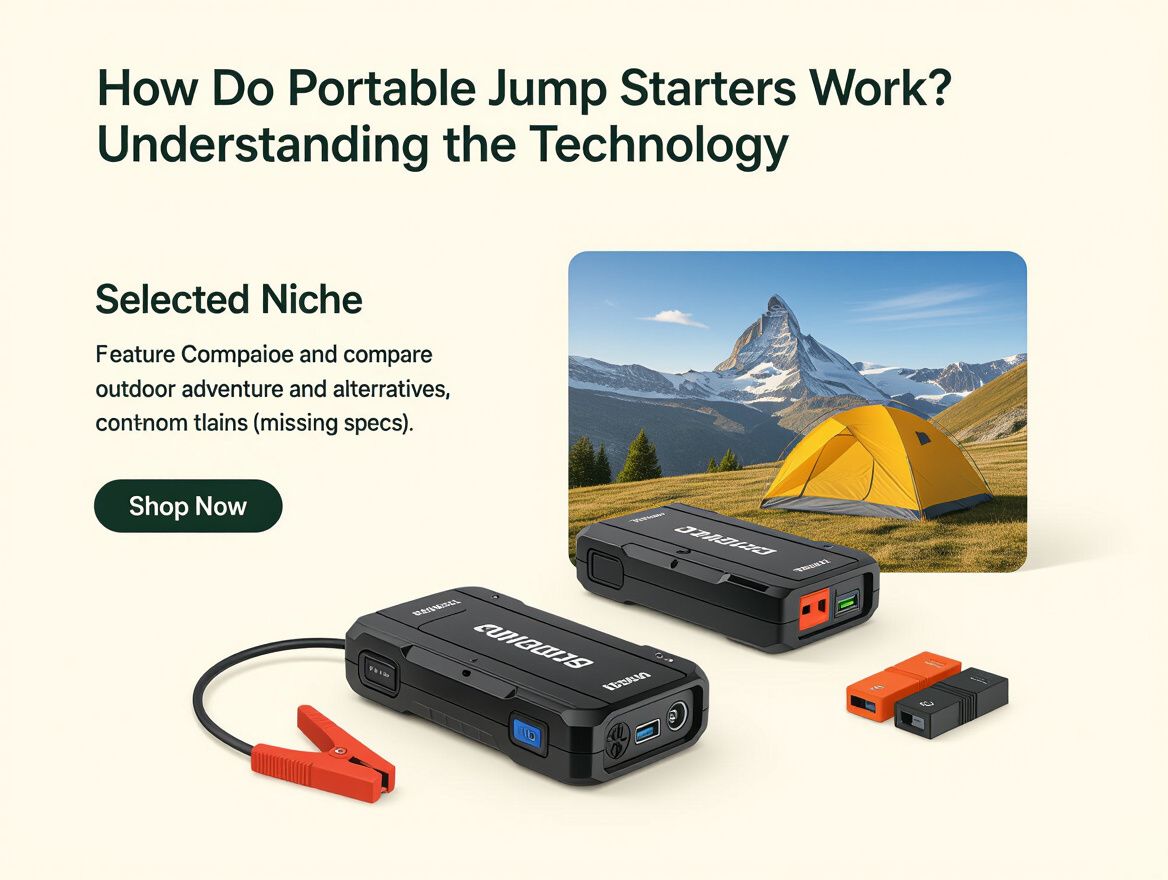
Portable car battery jump starters are compact devices designed to provide a quick and efficient way to start a vehicle with a dead battery. Unlike traditional jump-starting methods that require another vehicle, these units allow drivers to jump-start their cars independently, enhancing convenience and safety in emergency situations.
Having a portable jump starter on hand can be crucial, especially in unexpected breakdowns or remote locations where assistance may not be readily available. These devices not only restore power to your vehicle but also provide peace of mind, knowing you are prepared for unforeseen circumstances.
There are several types of portable jump starters available, each with unique features and specifications. They can vary in battery capacity, size, weight, and additional functionalities such as built-in air compressors or USB ports for charging other devices. Understanding the distinctions among these types can help drivers choose the best option tailored to their specific needs and driving conditions.
Key Features to Consider When Choosing a Jump Starter
When evaluating portable car battery jump starters, understanding their key features is vital for making an informed decision. These features not only distinguish one model from another but also align with your specific needs as a driver.
Battery Capacity and Power Output
- Amp Ratings: Look for models with sufficient cranking amps (CA) or peak amps (PA) to start your vehicle. Higher ratings are essential for larger engines or cold weather conditions.
- Battery Type: Lithium-ion jump starters are typically lighter and more compact, while lead-acid models may offer higher power but come with added weight.
Size and Weight Considerations
- Portability: If you plan to store the jump starter in your vehicle, consider its size and weight. A lightweight and compact model is easier to handle and store.
- Ease of Use: Ensure that the jump starter can be easily maneuvered and connected to your vehicle's battery, especially in tight spaces.
Additional Features
- USB Ports: Many jump starters now come with USB ports for charging devices like smartphones. This feature can be particularly useful in emergencies.
- Air Compressors: Some models include built-in air compressors, allowing you to inflate tires if needed, adding to their versatility.
- Safety Features: Look for options with built-in safety protections, such as reverse polarity alarms, short circuit protection, and overcharge protection. These features enhance safety during use and prevent damage to the battery.
By considering these essential features, you can better assess which portable car battery jump starter meets your driving needs, balancing power, portability, and added functionalities.
Trade-offs and Limitations of Portable Jump Starters
When considering portable car battery jump starters, it’s essential to weigh the trade-offs and limitations that come with these devices. Understanding these factors can help you make a more informed decision tailored to your specific needs.
Durability versus Portability
- Durability: Heavier models often feature robust construction, which can withstand harsh conditions. However, they may be cumbersome to carry.
- Portability: Lighter jump starters are easier to transport but may compromise on build quality, making them more susceptible to damage.
Cost versus Features
- Cost: Higher-priced models generally offer advanced features, such as built-in air compressors or USB charging ports. However, these additional functionalities might not be necessary for occasional users.
- Features: Budget-friendly options may lack some desirable features but can still provide reliable jump-starting capability for basic needs.
Potential Risks of Underpowered Jump Starters
- Underpowered Units: Some jump starters may not deliver sufficient power for larger vehicles or batteries. If your vehicle requires more amperage than the jump starter can provide, it could lead to failure when you need it most.
- Battery Lifespan: Cheaper models may have less durable batteries, which could lead to diminished performance over time. This is particularly critical if you frequently rely on your jump starter.
By considering these trade-offs and limitations, you can better assess which portable car battery jump starter aligns with your driving habits and expectations, ensuring that you select a reliable tool for emergencies.
Risks and Caveats of Using Portable Jump Starters
While portable car battery jump starters offer convenience and peace of mind, it's essential to understand the potential risks and drawbacks associated with their use. Here are key considerations to keep in mind:
-
Improper Usage and Safety Hazards:
- Misconnecting cables can lead to sparks, battery damage, or even explosions.
- Many jump starters have specific instructions regarding connection order; ignoring these can cause malfunctions.
-
Battery Maintenance and Lifespan Concerns:
- Portable jump starters typically have a limited lifespan, often requiring regular charging to maintain functionality.
- Users may overlook the importance of battery health, leading to unexpected failures when needed most.
-
Environmental Factors Affecting Performance:
- Extreme temperatures can impact the efficiency of jump starters. Cold weather may reduce battery capacity, while excessive heat can lead to overheating.
- Humidity and moisture can also affect electronic components, potentially resulting in malfunction.
By being aware of these risks, drivers can make informed decisions and ensure they are prepared for emergencies. Understanding the limitations and proper care of portable jump starters will enhance their reliability and effectiveness.
Frequently Asked Questions About Portable Jump Starters
When considering portable car battery jump starters, potential buyers often have specific questions that can guide their decision-making process. Understanding these queries can enhance your confidence in selecting the right product.
What problems do portable jump starters solve?
Portable jump starters are designed to address the common issue of dead car batteries. They provide a convenient and efficient way to jump-start your vehicle without the need for another car or traditional jumper cables. This is particularly beneficial in isolated locations or during emergencies, allowing drivers to regain mobility quickly.
How to determine the right capacity for your vehicle?
The capacity of a jump starter, typically measured in peak amps, is crucial for effective performance. To determine the right capacity for your vehicle, consider the following:
- Engine Size: Larger engines generally require higher peak amp ratings.
- Vehicle Type: Different vehicles, such as sedans, SUVs, or trucks, have varying power needs.
- Battery Condition: Older or weaker batteries may need a jump starter with higher capacity.
A good rule of thumb is to choose a jump starter with a peak amp rating that exceeds your vehicle’s requirements by at least 25%.
Can jump starters be used for other applications?
Yes, many portable jump starters come equipped with additional features that allow them to serve multiple purposes. Common applications include:
- Charging Devices: Many models include USB ports for charging smartphones, tablets, and other electronic devices.
- Powering Accessories: Some jump starters can power small appliances or tools, making them useful for camping or roadside emergencies.
- LED Flashlights: Built-in lights can provide illumination during nighttime emergencies or power outages.
By considering these multifunctional uses, you can select a jump starter that meets a variety of needs beyond just jump-starting your vehicle.
Making the Right Choice for Your Needs
When selecting a portable car battery jump starter, understanding the features, benefits, and potential risks is crucial. Each model offers different specifications that can significantly impact performance, ease of use, and safety. Here are some key points to consider:
- Power Output: Assess the peak and cranking amps of the jump starter. Higher power output may be necessary for larger vehicles or in colder climates.
- Size and Portability: Consider the weight and dimensions. A compact, lightweight model can be easier to store and transport, but ensure it doesn’t compromise on power.
- Safety Features: Look for built-in protections such as reverse polarity, short circuit, and overcurrent protection. These features can prevent accidents and ensure safe operation.
- Charging Options: Evaluate if the jump starter can also charge other devices like smartphones or laptops, adding versatility for emergencies.
- Battery Type: Lithium-ion batteries are generally lighter and have a longer shelf life compared to lead-acid batteries, but they may come at a higher price.
As you assess your specific needs, consider how often you drive, the types of vehicles you operate, and your usual driving conditions. Investing in a quality jump starter can provide peace of mind, knowing you’re prepared for unexpected breakdowns. Ultimately, choosing the right model is about balancing your unique requirements with the features available, ensuring you have a reliable tool when you need it most.


More in Portable Jump Starters
View All