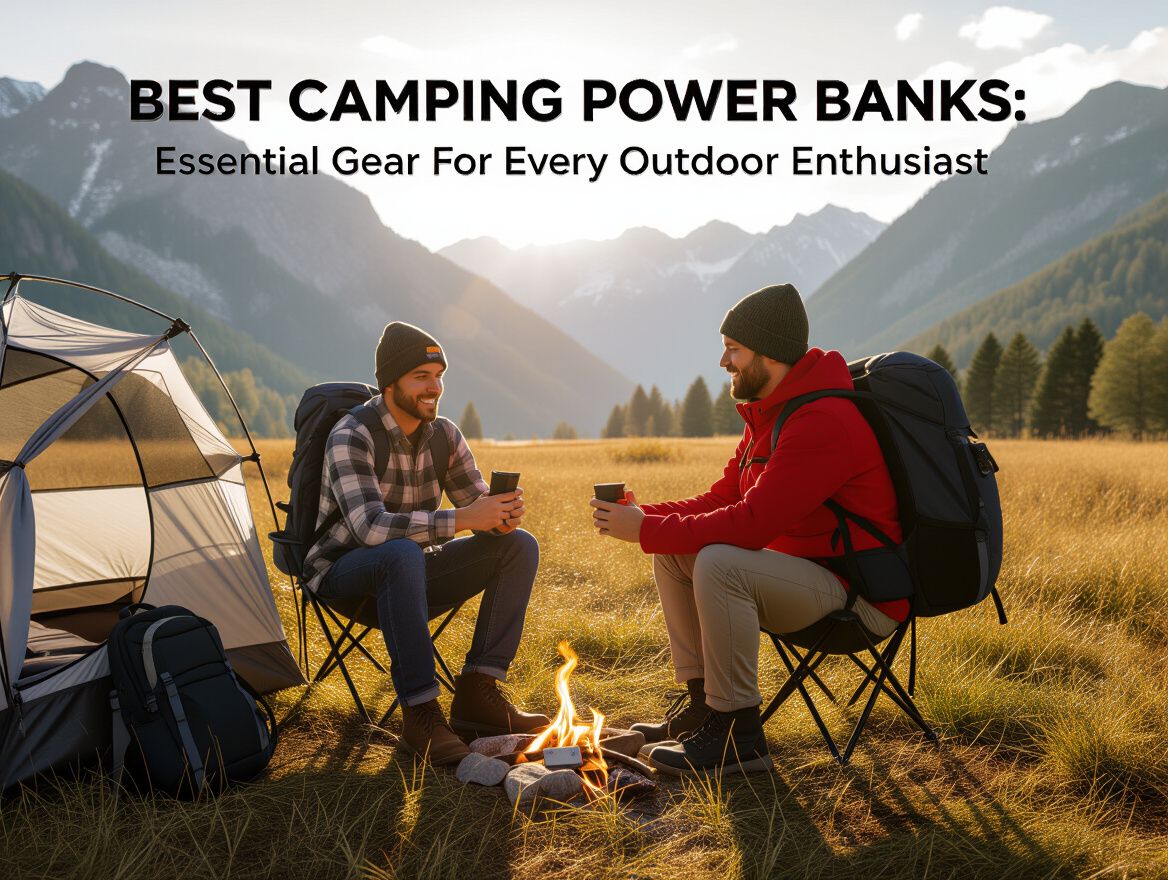
Best Camping Power Banks: Essential Gear for Every Outdoor Enthusiast
Why Camping Power Banks are Essential for Your Outdoor Adventures
Camping power banks serve as a vital resource for outdoor enthusiasts, providing the necessary energy to keep devices charged and functional while away from traditional power sources. As camping evolves, many adventurers find themselves relying on technology for navigation, communication, and even entertainment. A reliable power bank ensures that these devices remain operational throughout the trip.
The increasing reliance on smartphones, GPS devices, and portable speakers underscores the importance of having a dependable power solution. Whether you're capturing photos of breathtaking landscapes or using a navigation app to find your way, a camping power bank can help you stay connected and safe. Here are some key considerations to keep in mind:
- Capacity: Choose a power bank with sufficient capacity to meet your device's needs, taking into account how many times you may need to recharge.
- Size and Weight: Opt for a lightweight and compact design, especially if you're backpacking, to avoid adding unnecessary bulk to your gear.
- Durability: Look for rugged designs that can withstand outdoor conditions, including water resistance and shockproof features.
- Charging Speed: Consider power banks that offer fast charging capabilities to minimize downtime for your devices.
- Output Ports: Ensure the power bank has multiple output ports if you plan to charge several devices simultaneously.
By understanding these factors, outdoor enthusiasts can select a camping power bank that aligns with their specific activities and requirements, ensuring a more enjoyable and worry-free experience in nature.
Key Criteria for Choosing the Best Camping Power Bank
Selecting the right camping power bank is essential for outdoor enthusiasts who rely on portable energy solutions. Here are the key features to consider when making your choice:
-
Capacity and Power Output: Look for power banks with sufficient capacity (measured in mAh) to support your devices throughout your trip. Higher capacity allows for multiple charges, so consider how many devices you plan to charge and their power requirements.
-
Portability and Weight: When camping, every ounce counts. Choose a lightweight and compact power bank that can easily fit in your backpack without adding unnecessary bulk. Balance the capacity with weight to ensure it's convenient for your travels.
-
Durability and Weather Resistance: Outdoor conditions can be unpredictable. Opt for power banks that are rugged and designed to withstand impacts, moisture, and dust. Features like rubberized exteriors or IP ratings can indicate better durability and water resistance.
-
Charging Options and Compatibility: Ensure the power bank has multiple charging ports (USB-A, USB-C) and supports various charging protocols (like Quick Charge or Power Delivery). This flexibility allows you to charge different devices, such as smartphones, tablets, or even small gadgets like GPS units.
By focusing on these criteria, you can better assess which camping power bank will meet your specific needs while enjoying the great outdoors.
Use Case Scenarios: Finding the Right Power Bank for Your Needs
When selecting a camping power bank, understanding your specific use case is crucial. Different camping activities demand varying power needs, and recognizing these can guide your choice effectively.
Basic Camping vs. Tech-Heavy Camping
- Basic Camping: If your primary activities include hiking and enjoying nature without many electronic devices, a power bank with lower capacity and fewer features may suffice. Look for options that provide enough charge for essential devices like a flashlight or a phone for emergencies.
- Tech-Heavy Camping: For those who rely on multiple devices such as cameras, GPS units, and portable speakers, higher-capacity power banks are necessary. These should have multiple output ports and fast-charging capabilities to keep your devices powered throughout the trip.
Group Camping vs. Solo Trips
- Group Camping: When camping with friends or family, consider a power bank with a larger capacity. This ensures that everyone can charge their devices without running into power shortages. A model with multiple ports can accommodate several devices at once.
- Solo Trips: If you’re camping alone, a smaller, lightweight power bank may be more practical. This allows for easier transport while still providing enough power for your personal devices.
Impact of Location and Duration
- Location: Camping in remote areas without access to electricity requires a power bank with a robust capacity. Look for models that can store enough energy for your entire trip, especially if you’re planning to be off-grid.
- Duration: Longer camping trips necessitate power banks with higher mAh ratings. If you plan to stay out for several days, consider solar-powered options that can recharge during daylight hours, ensuring you have a continuous power supply.
By evaluating these use case scenarios, you can better match your camping power bank to your specific needs, ensuring a reliable power solution for your outdoor adventures.
Understanding Trade-Offs: Power vs. Portability
When selecting a camping power bank, outdoor enthusiasts must carefully balance power capacity and portability. While a high-capacity power bank can keep devices charged for extended periods, it often comes with significant trade-offs that can affect your camping experience.
Risks of High-Capacity Power Banks
- Weight and Bulkiness: High-capacity models tend to be heavier and bulkier, which can be cumbersome when hiking or traveling. This can limit your ability to pack efficiently and may lead to fatigue during longer treks.
- Limited Usability: If a power bank is too heavy, you might find yourself leaving it behind to lighten your load, defeating its purpose. Consider how often you will need to recharge devices and whether the extra weight is justified for your specific activities.
Implications of Heavier Models
- Travel Restrictions: Heavier models can restrict your movement, especially if you’re navigating rugged terrains or carrying multiple pieces of gear. The convenience of a lightweight option may outweigh the benefits of additional power.
- Storage Challenges: Larger power banks require more storage space in your backpack, which can limit the amount of other essential gear you can carry.
Potential Failure Points in Extreme Conditions
- Temperature Sensitivity: Power banks can be susceptible to extreme temperatures, which may affect their performance. High-capacity models might struggle in cold conditions, leading to reduced efficiency or failure to charge devices altogether.
- Durability Concerns: Heavier models may not always be designed for rugged use, making them more prone to damage from drops or harsh environmental conditions. Assess the build quality and consider how it will hold up during your outdoor adventures.
By weighing these trade-offs, you can better assess which camping power bank will suit your needs without compromising your outdoor experience.
Frequently Asked Questions about Camping Power Banks
When considering camping power banks, outdoor enthusiasts often have important questions to ensure they make informed choices. Here are some common concerns addressed:
What buyer problem do camping power banks solve?
Camping power banks are essential for providing reliable energy sources in remote locations where traditional power outlets are unavailable. They allow campers to charge devices such as smartphones, GPS units, and portable speakers, ensuring that communication and entertainment options remain accessible during outdoor adventures. This capability is particularly valuable for long trips or in emergencies when access to power is critical.
How do I maintain my camping power bank?
Proper maintenance of a camping power bank can extend its lifespan and ensure optimal performance. Here are some tips:
- Regular Charging: Charge your power bank fully before storage and every few months to prevent battery degradation.
- Temperature Control: Store in a cool, dry place, avoiding extreme heat or cold, which can damage battery cells.
- Avoid Overcharging: Disconnect the power bank once it's fully charged to prevent battery stress.
- Clean Connections: Periodically clean the charging ports to ensure a good connection.
Can I use a camping power bank for other outdoor activities?
Absolutely! Camping power banks can be versatile tools for various outdoor activities beyond camping. They are useful for:
- Hiking: Keep your navigation devices charged for safe trail exploration.
- Fishing: Power your fish finders or phone for emergency communication.
- Picnics or Beach Days: Charge portable speakers for music or phones for photos.
- Traveling: Use as a backup power source during road trips or while staying in remote accommodations.
Understanding these aspects can help outdoor enthusiasts choose the right camping power bank to meet their specific needs and ensure a more enjoyable experience in nature.
Making Your Decision: Finding the Best Camping Power Bank for You
When selecting the best camping power bank, it’s crucial to consider your specific outdoor needs and activities. Here are the key criteria and trade-offs to keep in mind:
-
Battery Capacity: Evaluate how much power you need based on the devices you'll charge. A higher capacity (measured in mAh) is essential for longer trips or multiple devices.
-
Weight and Size: Portability is vital when camping. Ensure the power bank is lightweight and compact enough to fit comfortably in your pack.
-
Durability: Look for rugged designs that can withstand outdoor conditions, including water resistance and shockproof features.
-
Charging Speed: Fast charging capabilities can save time, especially if you’re powering multiple devices. Check for quick charge technology compatibility.
-
Output Ports: Consider the number and type of ports available. If you plan to charge several devices simultaneously, multiple USB outputs may be necessary.
-
Solar Capability: Some power banks offer solar charging options, which can be beneficial for extended trips away from traditional power sources.
As you assess these factors, reflect on your camping style. Are you a minimalist backpacker or do you prefer car camping with more gear? Understanding your use-case will help narrow down your choices effectively.
In conclusion, reliable power is essential for enhancing your outdoor experience. A well-chosen camping power bank can keep your devices charged, ensuring you stay connected and safe throughout your adventures. Take the time to evaluate your needs against the features available, and you'll make an informed decision that enhances your camping experience.