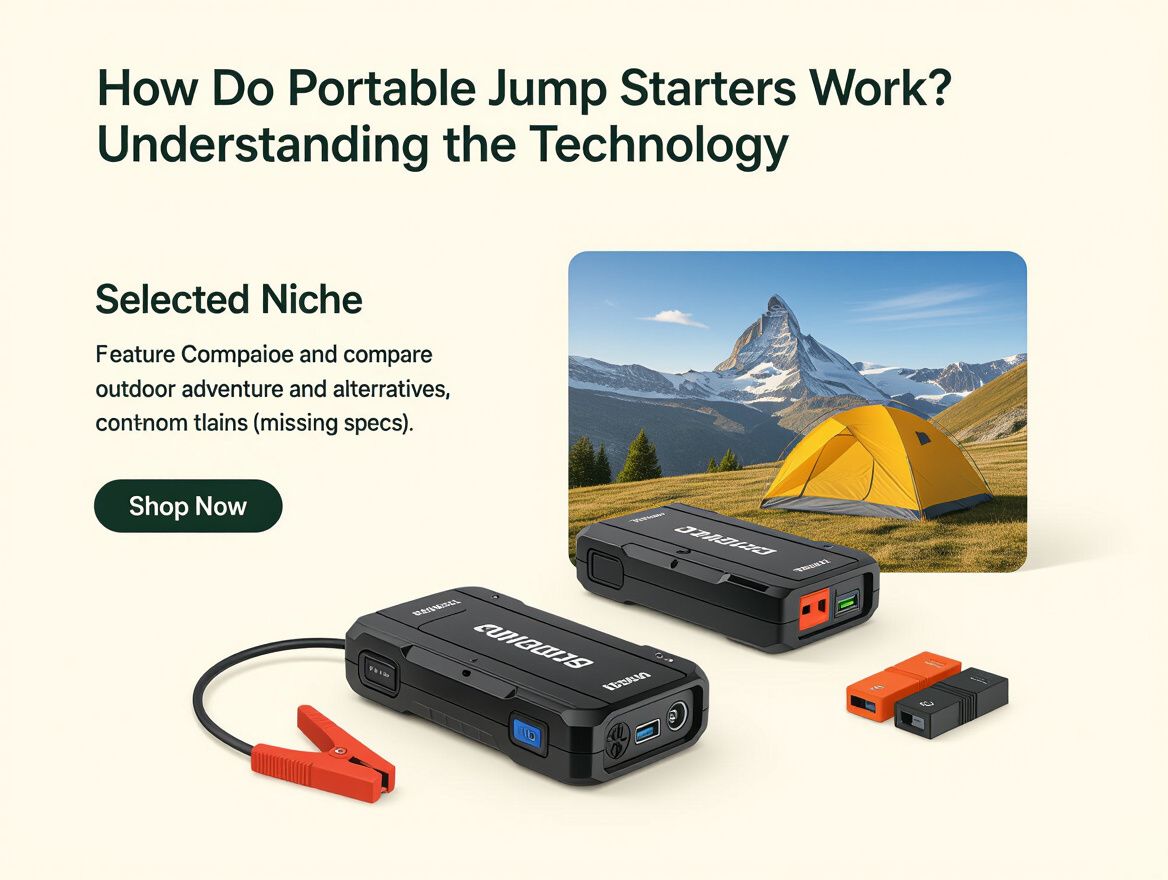
The Best Portable Jump Starters for Trucks: A Comprehensive Guide

Understanding the Importance of Portable Jump Starters for Trucks
Truck ownership often comes with unique challenges, particularly concerning battery reliability. Trucks are typically equipped with larger batteries to support their heavy-duty performance, which can be more prone to failure after long periods of inactivity or extreme weather conditions. A dead battery can leave you stranded, especially in remote areas where help may not be readily available.
Having a portable jump starter on hand provides truck owners with the peace of mind that they can quickly address battery issues without needing to rely on another vehicle or roadside assistance. Here are some key considerations for why portable jump starters are essential for truck owners:
-
Convenience: Unlike traditional jump-starting methods that require another vehicle, portable jump starters are compact and easy to use independently, making them ideal for isolated locations.
-
Versatility: Many jump starters come with additional features such as USB ports for charging devices, LED flashlights, and air compressors, adding to their utility beyond just jump-starting.
-
Safety: Using a portable jump starter eliminates the risks associated with connecting jumper cables incorrectly, which can cause damage to your truck’s electrical system.
-
Portability: Designed for easy transport, these devices can be stored in your truck without taking up too much space, making them accessible whenever needed.
In summary, understanding the importance of portable jump starters for trucks helps you make an informed decision about which model best fits your specific needs and use cases. By considering factors such as convenience, safety, and additional features, you can select a jump starter that effectively mitigates the risks associated with battery failures.
Key Criteria for Choosing a Portable Jump Starter
When selecting a portable jump starter for trucks, it's crucial to consider several key criteria that align with your specific needs and use cases. Here’s a checklist to guide your decision-making process:
-
Peak and Cranking Amps: Look for a jump starter with sufficient peak and cranking amps to handle your truck's engine size. Higher amp ratings ensure reliable performance, especially in colder climates.
-
Battery Capacity: A jump starter with a higher battery capacity (measured in milliamp hours, or mAh) can provide multiple jumps before needing a recharge. This is particularly important for larger vehicles that may require more power.
-
Size and Weight: Portability is essential. Choose a model that is lightweight and compact enough to store easily in your truck without taking up too much space.
-
Safety Features: Opt for jump starters equipped with safety features such as reverse polarity protection, short circuit protection, and overcharge protection. These features help prevent accidents and ensure safe operation.
-
Additional Functionalities: Consider whether you want extra features like USB ports for charging devices, built-in air compressors for inflating tires, or LED lights for visibility in low-light conditions. These functionalities can enhance the utility of your jump starter.
By evaluating these criteria, you can better match a portable jump starter to your truck's requirements and your personal preferences, ensuring you choose a reliable tool for emergencies.
Understanding the Trade-offs and Limitations
When selecting portable jump starters for trucks, it's essential to acknowledge the trade-offs and limitations inherent in these devices. Understanding these factors can significantly influence your purchasing decision and ensure that you choose a jump starter that best fits your specific needs.
Performance Based on Truck Size
- Power Requirements: Larger trucks typically have bigger batteries, requiring jump starters with higher peak amperage. Ensure the jump starter you choose can deliver adequate power for your truck's battery size.
- Compatibility: Not all jump starters are designed for heavy-duty vehicles. Check the manufacturer's specifications to confirm compatibility with your truck model.
Battery Life and Maintenance Considerations
- Battery Capacity: Consider the amp-hour (Ah) rating of the jump starter's internal battery. A higher rating generally means more power and longer usage between charges.
- Charging Frequency: Regular maintenance is crucial. Jump starters should be charged periodically, even if not in use, to prevent battery degradation.
Impact of Extreme Weather Conditions
- Temperature Sensitivity: Extreme cold can reduce a jump starter's effectiveness. Many units may struggle to deliver sufficient power in freezing temperatures, so consider models rated for use in low temperatures if you live in a colder climate.
- Heat Resistance: Conversely, excessive heat can also impact performance. Ensure that the jump starter can function reliably in warmer environments, particularly if you plan to store it in your truck.
By weighing these considerations, you can make a more informed decision about which portable jump starter will best serve your truck's needs, ensuring reliability and performance when you need it most.
Common Use Cases for Portable Jump Starters
Portable jump starters for trucks serve various practical scenarios, catering to the diverse needs of truck owners. Understanding these use cases can significantly influence your purchasing decision, ensuring you choose a product that aligns with your specific requirements.
Emergency Situations Away from Home
One of the most critical use cases for portable jump starters is in emergency situations. Whether you're stranded in a remote area or facing a sudden battery failure during a trip, having a jump starter can save you from being stuck without assistance. Key considerations include:
- Portability: Look for lightweight and compact models that are easy to store in your truck.
- Battery Capacity: Ensure the jump starter has sufficient power to handle your truck's battery size.
Regular Maintenance for Truck Owners
For truck owners, regular maintenance is essential to avoid unexpected breakdowns. A portable jump starter can be part of your preventive measures, allowing you to check battery health regularly and jump-start your vehicle if needed. Consider these factors:
- Ease of Use: Choose a model with clear instructions and intuitive features for quick operation.
- Durability: Opt for robust designs that can withstand the rigors of regular use, especially if you frequently engage in outdoor activities.
Comparison to Traditional Jump-Starting Methods
While traditional jump-starting methods involve using another vehicle, portable jump starters provide a more convenient and independent solution. Here are some trade-offs to consider:
- Independence: With a portable jump starter, you don’t rely on others for assistance, which can be invaluable in isolated locations.
- Safety: They often come with built-in safety features, such as reverse polarity protection, reducing the risk of user error compared to traditional methods.
By evaluating these use cases and their specific requirements, you can make a more informed decision when selecting a portable jump starter for your truck, ensuring it meets your needs effectively.
Frequently Asked Questions
When considering portable jump starters for trucks, potential buyers often have specific queries that can guide their purchasing decisions. Here are some common questions and their answers:
What buyer problem do portable jump starters solve?
Portable jump starters address the critical issue of battery failure, particularly in larger vehicles like trucks, which may require more power to start. Unlike traditional jump-starting methods that rely on another vehicle, portable jump starters offer convenience and independence. They allow truck owners to quickly revive a dead battery without needing assistance, making them a valuable tool for those who frequently travel in remote areas or have a busy schedule.
How do I know if a jump starter is compatible with my truck?
To ensure compatibility, consider the following criteria:
- Engine Size: Check the jump starter's rated peak amps and cold cranking amps (CCA). Ensure it meets or exceeds the requirements of your truck's engine size.
- Battery Type: Confirm that the jump starter is suitable for your truck's battery type (e.g., lead-acid, AGM, lithium-ion).
- Voltage: Most trucks operate on a 12-volt system, but verify that the jump starter is designed for this voltage to avoid potential damage.
What maintenance do portable jump starters require?
Maintaining your portable jump starter is essential for ensuring its longevity and reliability. Here are some maintenance tips:
- Regular Charging: Keep the jump starter charged, especially if it's not used frequently. A fully charged unit is more effective and reduces the risk of failure when needed.
- Inspect Cables and Connectors: Regularly check for any signs of wear or damage. Clean the clamps to prevent corrosion, which can hinder performance.
- Store Properly: Keep the jump starter in a cool, dry place to protect it from extreme temperatures and moisture, which can affect battery life and performance.
By addressing these questions, truck owners can make informed decisions when selecting the right portable jump starter for their specific needs.
Making the Right Choice for Your Truck
Selecting the right portable jump starter for your truck involves understanding your specific needs and the features that best meet those requirements. Here’s a recap of key considerations to help you make an informed decision:
-
Power Requirements: Ensure the jump starter has sufficient cranking amps to start your truck's engine. Larger engines typically need more power, so check the starter's specifications against your vehicle's needs.
-
Portability and Size: Consider the size and weight of the jump starter. While larger units may offer more power, they can be cumbersome to store. Look for a balance that fits your truck's storage capacity.
-
Additional Features: Some jump starters come with extra functionalities such as USB ports for charging devices, built-in LED lights, or air compressors. Assess whether these features add value based on your typical use cases.
-
Safety Features: Look for jump starters with built-in safety mechanisms, such as reverse polarity protection and short circuit prevention. These features significantly reduce the risk of accidents during use.
-
Durability: Trucks often face harsher conditions than cars. Choose a jump starter that is rugged and weather-resistant to ensure reliability over time.
Being prepared with a portable jump starter is not just about convenience; it’s about peace of mind. Having the right tool on hand can mean the difference between a minor inconvenience and a major setback. Evaluate your options carefully, considering the trade-offs and fit for your specific situation, and you'll be better equipped to make a sound purchase.


More in Portable Jump Starters
View All